
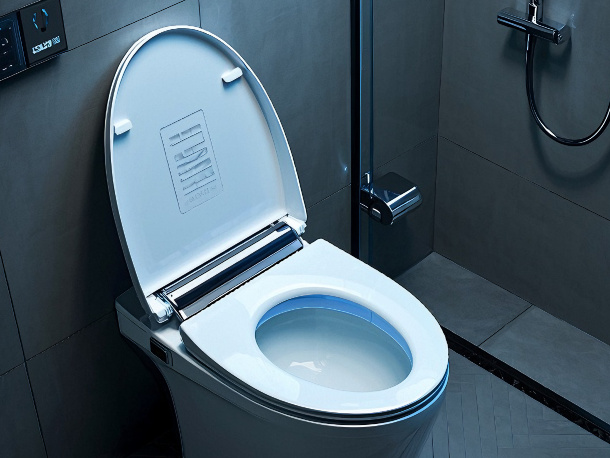
Quick answer: For project procurement, choose smart toilets with proven core functions, clear installation requirements, consistent dimensions, serviceable components, complete technical documents, and a supplier that can maintain the approved configuration across batches. The best project model is not the one with the longest feature list. It is the one that installers can fit repeatedly and local teams can maintain without unnecessary complexity.
Hotels, apartments, residential developments, and commercial washroom projects require a different approach from ordinary retail. A small mismatch in rough-in distance, water pressure, voltage, or accessory position can become a repeated site problem across many rooms.
This guide explains how distributors, wholesalers, bathroom brands, project contractors, and customization buyers can select stable and easy-to-install smart toilets for projects while controlling installation, delivery, and after-sales risk.
1. Start with the Project Conditions
Conclusion: The project environment should determine the model and installation method.
Before requesting samples, collect information about room layout, drainage, water supply, electrical supply, installation sequence, and maintenance access. Selection becomes more reliable when these conditions are documented before the supplier recommends a model.
Confirm these project inputs:
- Rough-in distance and drainage type
- Water pressure and inlet position
- Voltage, frequency, and plug standard
- Bathroom dimensions and service clearance
- Quantity and delivery schedule for each phase
- Installation and maintenance responsibilities
2. Prioritize Stable Core Functions
Conclusion: Project models should emphasize frequently used functions and avoid unnecessary complexity.
Useful functions may include rear wash, feminine wash, heated seat, warm-air drying, nozzle cleaning, foot-sensor flushing, night light, and power-off flushing. Automatic lids or additional sensors may suit some projects, but buyers should consider their effect on price, user training, and maintenance.
For hotels and apartments, consistent operation is usually more valuable than a long list of rarely used features.
3. Verify Installation Compatibility in Writing
Conclusion: Written installation confirmation prevents repeated site errors.
The supplier should provide dimensional drawings, rough-in requirements, water-pressure guidance, inlet and outlet positions, electrical requirements, and required clearance. Compare these documents with the actual site before approving the model.
Where water pressure varies, a model with an integrated water tank may provide a more controlled flushing solution. Tankless products may suit projects with stable water supply and compact design requirements.
4. Standardize the Configuration
Conclusion: Fewer approved configurations make installation, inventory, and service easier to manage.
Mixing several plugs, voltages, rough-in distances, remotes, and accessory sets in one project creates avoidable confusion. Whenever possible, use one approved model and one documented configuration for the same phase.
If room categories require different products, each version should have a clear model code, carton label, installation drawing, and delivery quantity.
5. Evaluate Serviceability Before Approval
Conclusion: A project product should be practical to diagnose and maintain.
Ask which components can be inspected or replaced locally, what tools are required, and whether service areas remain accessible after installation. Routine checks should not require unnecessary removal of surrounding fixtures.
Serviceability checks include:
- Access to water and electrical connections
- Clear component identification
- Replaceable remote controls and common parts
- Troubleshooting instructions
- Availability of model-specific spare parts
6. Approve a Complete Sample
Conclusion: The approved sample should include final accessories, labels, manuals, and packaging.
Sample approval should cover dimensions, ceramic appearance, functions, flushing, remote control, hoses, fittings, cables, labels, manuals, and cartons. Temporary accessories or different packaging should not become the reference for mass production.
For private label or customization projects, also approve logo placement, carton artwork, manual language, model labels, and project identification.
7. Complete a Trial Installation
Conclusion: A controlled trial can reveal issues that document review cannot identify.
Before full deployment, install and test a limited number of units in actual rooms. Check mounting space, water and electrical access, flushing, drainage, user operation, cleaning access, and service clearance.
Document and close any issue before installing the remaining units to avoid repeated rework.
8. Control Inspection and Phased Delivery
Conclusion: Phased projects require clear inspection records and configuration control.
Define quantities, approved models, packaging versions, inspection points, and delivery dates for each phase. Inspection should cover appearance, dimensions, operation, accessories, labeling, and packaging.
The supplier should maintain the approved configuration unless the buyer accepts a change in writing. Uncontrolled changes can create differences between buildings, manuals, and spare parts.
9. Prepare Spare Parts and Technical Materials
Conclusion: Local teams need service resources before project handover.
Discuss a practical spare-parts package based on the model, project quantity, and local maintenance capability. Installation guidance, component images, troubleshooting steps, and service contacts should be ready before installation begins.
Organized technical materials reduce repeated questions and make handover to the property operator more efficient.
10. Project Smart Toilet Selection Checklist
- Drainage, water, and electrical conditions confirmed
- Core functions selected for actual needs
- Dimensions and installation drawings approved
- Configurations and model codes standardized
- Service access and spare parts reviewed
- Complete sample and packaging approved
- Trial installation completed
- Inspection and phased delivery procedures defined
How AF-KangMu Supports Project Buyers
AF-KangMu supports overseas distributors, wholesalers, bathroom brands, project buyers, and private label partners sourcing smart toilets and related smart bathroom products. Discussions can cover model selection, water tank options, rough-in requirements, functions, dimensions, packaging, manuals, customized identification, spare parts, and phased delivery.
Buyers can provide the project type, destination market, site conditions, quantity, delivery phases, preferred functions, and customization requirements so the product and installation scope can be reviewed before sample approval.
Conclusion
Stable and easy-to-install smart toilets for projects are selected through disciplined confirmation rather than feature comparison alone. Match the model to site conditions, standardize configurations, verify service access, complete a trial installation, and prepare technical support before full deployment.
For hotel, apartment, residential, or other project procurement, contact AF-KangMu to discuss installation conditions, quantities, functions, delivery schedules, and customization needs.
FAQ
What is the most important factor when choosing smart toilets for a project?
Installation compatibility is the starting point. Confirm drainage, rough-in distance, water pressure, voltage, plug type, dimensions, and service clearance before approval.
Should a project use many different smart toilet models?
Usually, fewer standardized configurations are easier to install, inspect, stock, and maintain. Use different models only when room categories or project requirements clearly justify them.
Why is a trial installation necessary?
It verifies room fit, connections, operation, cleaning access, and maintenance space before the same issue is repeated across many units.
What documents should a supplier provide?
Useful documents include specifications, dimensional drawings, installation instructions, operation manuals, accessory lists, packaging information, troubleshooting guidance, and spare-parts references.
Should spare parts be prepared before handover?
Yes. A suitable spare-parts package and clear technical materials help the local team respond faster after installation.