Quick answer: An integrated-tank smart toilet can improve flushing stability in some low-pressure or fluctuating-pressure environments because it stores water before each flush instead of relying entirely on real-time inlet flow. However, it is not a universal solution. Buyers must still measure water pressure and flow, confirm refill performance, test repeated flushing, verify washing-water performance, and complete a local trial installation before bulk procurement.
The following case is a representative and anonymized procurement scenario based on common market conditions. It does not describe a named customer or claim guaranteed results. Its purpose is to help distributors, wholesalers, bathroom brands, project buyers, and private label partners understand how to evaluate a low-water-pressure smart toilet solution.
Case Background: Flushing Performance Varied Between Installation Sites
Conclusion: The original product was not necessarily defective; its direct-supply structure did not match all local water conditions.
A distributor planned to introduce smart toilets into a market where water pressure varied between buildings, floors, and peak-use periods. The first sample used a direct-water-supply flushing structure. It performed normally under stronger water conditions but became less consistent when inlet pressure and flow dropped.
The buyer initially considered changing the flushing function or increasing installation adjustments. A more useful step was to separate the possible causes and measure the actual water conditions.
Why Direct Water Supply Became Unstable
Conclusion: Direct-supply flushing depends more immediately on the pressure and flow available at the installation point.
A building may have acceptable general pressure while still providing insufficient flow at a specific bathroom connection. Pipe diameter, valve opening, filters, long branches, high floors, simultaneous water use, and local installation details can all influence performance.
The distributor checked:
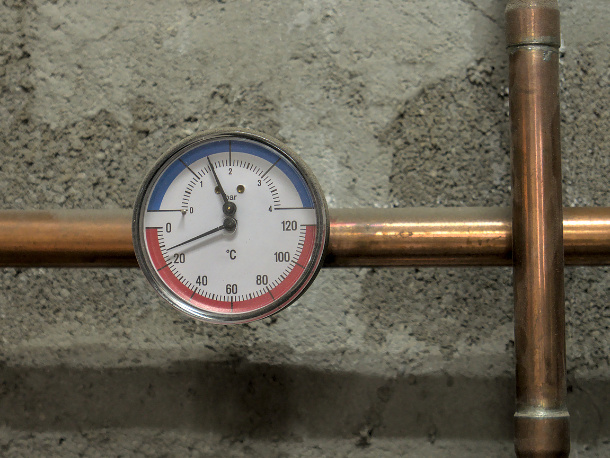
- Working pressure at the toilet connection
- Actual inlet flow
- Pressure changes during peak use
- Valve and filter condition
- Pipe routing and connection restrictions
- Repeated flushing performance
This review showed that the issue could not be solved reliably by changing only the product settings.
Why an Integrated Tank Was Considered
Conclusion: The integrated tank provided a stored-water buffer before flushing.
Instead of requiring the building supply to provide the complete flushing flow immediately, the selected model stored water before use. This allowed the flushing cycle to rely more on the prepared water volume inside the product.
The integrated-tank solution did not remove the need for inlet water. The product still required sufficient supply to refill the tank, support washing functions, and prepare for the next cycle. Where inlet flow remained extremely limited, refill time could still become an operational concern.
Low Pressure and Low Flow Must Be Evaluated Separately
Conclusion: Pressure and flow are related but should not be treated as the same measurement.
A site may show pressure when no water is moving but deliver limited flow during operation. Conversely, a system may provide acceptable flow under stable conditions but experience pressure fluctuation during simultaneous use.
For distributors and project buyers, the test should represent actual operation rather than only a static reading.
The Buyer Compared More Than One Flush
Conclusion: One successful flush is not enough to approve a project or wholesale model.
The sample test included:
- Initial flushing after the tank was ready
- Repeated flushing at practical intervals
- Tank refill time
- Waste removal and bowl cleaning
- Performance during pressure fluctuation
- Power-off flushing method, where applicable
The buyer also checked whether the product clearly indicated when the stored water was ready for another flushing cycle.
Washing Functions Were Tested Separately
Conclusion: An integrated flushing tank does not automatically guarantee identical washing-water performance under every supply condition.
Rear wash, feminine wash, nozzle cleaning, and water heating may use a different water path from the flushing system. The buyer therefore tested washing pressure, temperature stability, nozzle movement, and repeated operation under representative inlet conditions.
This prevented the project team from assuming that improved flushing had solved every water-related requirement.
Installation Conditions Still Required Approval
Conclusion: The integrated-tank model still had to match drainage, rough-in distance, room space, and maintenance access.
The distributor checked the finished-wall rough-in distance, drainage position, product dimensions, water-valve location, electrical outlet, rear clearance, and side access. The integrated structure also required enough space for service and component removal.
For hotel, apartment, or residential projects, these conditions should be confirmed from drawings and representative site measurements.
Functions Were Kept Practical
Conclusion: The selected model focused on stable daily functions rather than adding unnecessary complexity.
- Rear wash and feminine wash
- Water-temperature and pressure adjustment
- Nozzle-position adjustment and self-cleaning
- Heated seat
- Warm-air drying
- Reliable stored-water flushing
- Clear remote or side-panel operation
Additional automatic functions were evaluated according to the distributor’s price positioning and local service capability.
A Trial Installation Was Completed
Conclusion: Local trial installation verified the complete relationship between product, building supply, drainage, and user operation.
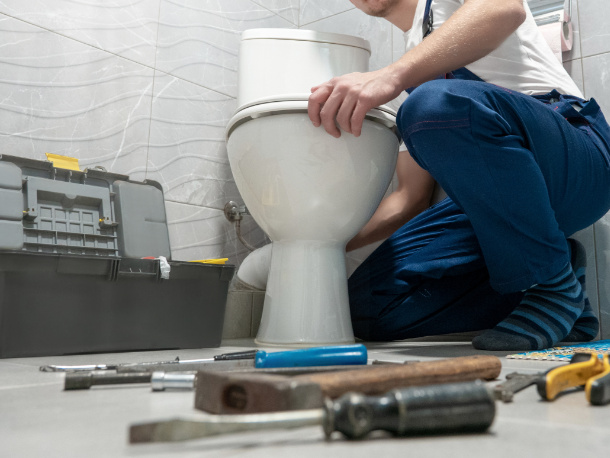
The trial checked flushing, refill, washing, drainage alignment, valve position, electrical connection, cleaning access, remote-holder position, and maintenance space. Local installers also reviewed whether the instructions were clear.
For projects with different floors or pipe branches, testing only one favorable room would not provide enough evidence.
The Final Market Version Was Recorded
Conclusion: The approved hydraulic, electrical, functional, and documentation details were managed as one product version.
The buyer linked the commercial model name to the technical model, tank structure, rough-in distance, voltage, plug, functions, labels, manuals, packaging, accessories, and spare parts.
This reduced the risk of future orders using a similar-looking but technically different configuration.
Packaging and Delivery Were Also Reviewed
Conclusion: The integrated structure required model-specific protection and clear version identification.
The packaging review covered ceramic support, seat-cover protection, internal components, remote control, hoses, valves, installation parts, labels, and carton information. For project delivery, cartons could also be separated by phase or room group.
After-Sales Preparation Focused on Water-Related Diagnosis
Conclusion: Service teams needed a process for distinguishing product faults from unsuitable site conditions.
The troubleshooting record included:
- Product and version label
- Water pressure and flow information
- Valve and filter condition
- Refill time and flushing video
- Installation photos
- Description of washing and flushing performance
Model-specific spare parts and replacement guidance were prepared according to the approved version rather than by appearance alone.
What Did This Case Demonstrate?
Conclusion: The improvement came from matching the product structure to measured site conditions, not from assuming every integrated-tank model would perform identically.
- Actual water conditions were measured
- Direct supply and stored-water flushing were compared
- Refill and repeated flushing were tested
- Washing performance was checked separately
- Trial installation confirmed site compatibility
- The complete market version was documented
- After-sales diagnosis and spare parts were prepared
How Should Buyers Evaluate the Supplier?
Conclusion: A suitable smart toilet supplier should explain water requirements, testing methods, installation limits, and after-sales diagnosis clearly.
- Documented pressure and flow requirements
- Clear explanation of tank and direct-supply differences
- Sample testing under representative conditions
- Accurate dimensions and installation drawings
- Stable model and version control
- Model-specific troubleshooting and spare parts
- Written control of configuration changes
Low-Water-Pressure Selection Checklist
- Working pressure and flow measured
- Peak-use variation investigated
- Valve, filter, and pipe restrictions checked
- Integrated-tank refill performance tested
- Repeated flushing and bowl cleaning verified
- Washing functions tested separately
- Trial installation completed
- Documents and spare parts prepared
How AF-KangMu Supports International Buyers
AF-KangMu works with overseas distributors, wholesalers, bathroom brands, project buyers, and private label partners sourcing smart toilets and related smart bathroom products. Cooperation discussions can cover water conditions, integrated-tank and direct-supply structures, flushing principles, functions, installation dimensions, samples, packaging, market versions, and spare-parts planning.
Buyers can provide water-pressure and flow information, project drawings, drainage, rough-in distance, room quantities, electrical requirements, preferred functions, and expected order quantity so a suitable configuration can be reviewed before bulk procurement.
Conclusion
An integrated-tank smart toilet can improve flushing stability in selected low-pressure or fluctuating-pressure markets by storing water before flushing. However, buyers must still verify refill time, washing performance, drainage, installation space, electrical conditions, and maintenance requirements.
For wholesale distribution, hotel or apartment projects, customization, or private label cooperation, contact AF-KangMu to discuss your local water conditions, selected models, quantities, and testing requirements.
FAQ
Can an integrated-tank smart toilet work without inlet water?
No. It still requires inlet water to refill the tank and support the product’s water-related functions.
Does an integrated tank solve every low-pressure problem?
No. Actual pressure, flow, refill time, washing performance, pipe restrictions, and installation conditions must still be tested.
Is water pressure the same as water flow?
No. A connection may show pressure but still provide insufficient flow during operation, so both conditions should be checked.
Should buyers test repeated flushing?
Yes. Repeated flushing and refill performance are important for commercial, hotel, apartment, and project applications.
What information should be provided to the supplier?
Provide measured pressure and flow, drainage, rough-in distance, room conditions, voltage, plug, required functions, quantity, and project or distribution plan.