
Quick answer: Mixed smart toilet voltage and plug versions can be prevented by treating every electrical configuration as a separate market version from quotation through after-sales service. Each version should have a unique model code, approved sample, product label, carton label, manual, quantity record, inspection reference, and spare-parts link. Buyers should never rely only on ceramic appearance or carton color because visually identical smart toilets may contain different electrical components.
The following case is a representative and anonymized procurement scenario based on common multi-market order risks. It does not describe a named customer or claim specific loss figures. Its purpose is to show how distributors, wholesalers, bathroom brands, project buyers, and private label partners can build practical version-control procedures.
Case Background: One Model Was Ordered for Several Markets
Conclusion: The risk began when one commercial product name was used for several technically different electrical configurations.
A distributor planned to supply the same smart toilet design to several markets. The ceramic body, seat cover, washing functions, and general appearance were similar, but the orders required different voltage ranges, frequencies, plugs, cables, labels, and manuals.
At first, the buyer treated these products as one model with different plugs. This created a potential mixing risk because electrical differences extended beyond the visible plug.
Problem One: Plug Type Was Used as the Main Identifier
Conclusion: Plug appearance alone is not a safe way to identify an electrical version.
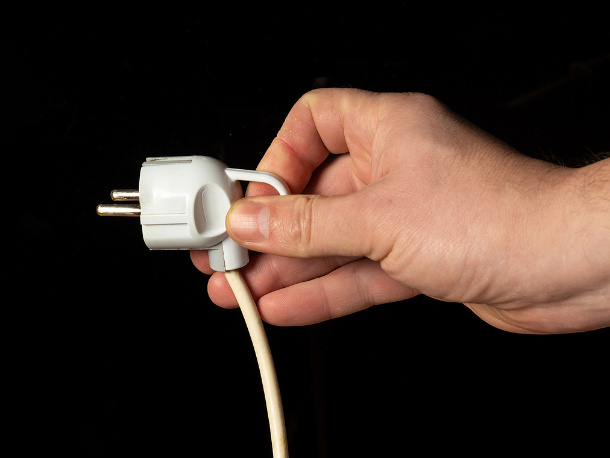
A plug indicates how the product connects to the socket, but it does not fully describe the internal electrical configuration. Different versions may use different heaters, power-related components, cables, controls, or protective parts.
A plug adapter also does not convert an unsuitable voltage. For commercial procurement, the correct factory-configured electrical version should be selected before production.
Step One: Create a Unique Code for Every Market Version
Conclusion: Every combination of voltage, frequency, plug, function package, and market document should have a traceable identifier.
The version record included:
- Commercial model name
- Supplier technical model
- Voltage and frequency
- Plug and cable configuration
- Function package
- Manual language
- Product and carton label version
- Compatible spare-parts reference
This allowed production, inspection, warehouse, sales, and after-sales teams to refer to the same version without guessing from appearance.
Step Two: Approve a Final Sample for Each Electrical Version
Conclusion: A sample should represent the final electrical and documentation version, not only the ceramic and functions.
The buyer checked washing, flushing, heating, drying, sensors, controls, voltage, frequency, plug, cable, product label, manual, accessories, and packaging.
If one physical sample could not represent every market version, the remaining electrical and document differences were recorded separately and approved before bulk production.
Step Three: Separate Production and Materials by Version
Conclusion: Similar-looking components require stronger identification during material preparation and assembly.
The supplier used version information during component preparation rather than waiting until the final carton stage. Electrical parts, cables, plugs, labels, manuals, and customized materials were grouped according to the approved order version.
For private label orders, branded materials were also linked to the exact market configuration so an incorrect manual or carton could not easily be assigned to a different electrical version.
Step Four: Make Product Labels a Primary Checkpoint
Conclusion: The product itself should remain identifiable after the carton has been discarded.
The product label should clearly correspond to the approved model and electrical information. This is important because cartons are often removed during installation, retail display, project handover, or local warehousing.
For distributors, permanent product identification helps later troubleshooting and spare-parts matching.
Step Five: Match Cartons and Manuals to the Product
Conclusion: The product, carton, manual, and accessories must all describe the same market version.
Bulk inspection should cross-check:
- Product model and electrical label
- Carton model and destination version
- Manual language and electrical information
- Plug and cable inside the package
- Required accessories
- Order quantity by version
A correct product packed inside the wrong market carton can still create a serious distribution problem.
Step Six: Inspect Functions Under the Correct Electrical Conditions
Conclusion: Electrical-version inspection should verify operation under the intended supply conditions.
Testing may include washing-water heating, seat heating, warm-air drying, flushing controls, sensors, remote operation, and other configured functions. The inspection reference should identify which version is being tested.
Buyers should avoid combining test records from different electrical versions unless the supplier has clearly documented why those records are applicable.
Step Seven: Control Mixed-Version Packing and Container Loading
Conclusion: Multi-market shipments require visible grouping and quantity records before container doors are closed.
When several versions are shipped together, cartons should be grouped or otherwise arranged so warehouse teams can distinguish them easily. Loading records should show the quantities and positions of each version.
Useful loading records include:
- Version code and quantity
- Carton label photographs
- Loading position or grouping
- Destination or customer reference
- Final quantity confirmation
Step Eight: Keep Versions Separate in the Buyer’s Warehouse
Conclusion: Factory version control is not enough if products become mixed after import.
For wholesalers serving several countries, warehouse records should separate products by technical version rather than only by commercial name. Picking instructions should include voltage and plug information.
This is especially important when identical ceramic models are stored next to each other.
Step Nine: Link Spare Parts to the Exact Version
Conclusion: After-sales parts should be selected by technical version, not by external appearance.
Heaters, control components, sensors, cables, plugs, remotes, and related parts may differ between versions. The buyer’s commercial model should therefore remain connected to the supplier’s technical code.
When an after-sales case occurs, the service team should request the product label before recommending an electrical replacement part.
Step Ten: Control Changes in Writing
Conclusion: Any voltage, plug, cable, control, label, manual, or packaging change should create a new documented approval point.
A buyer may later expand into another market or change a plug requirement. The new version should not simply replace the old one in informal communication.
The effect on technical configuration, sample approval, printed materials, inventory, spare parts, and delivery should be reviewed before production.
What Reduced the Mixing Risk in This Case?
Conclusion: The solution was to manage voltage and plug differences throughout the complete order process rather than checking only before shipment.
- Unique codes for every market version
- Final electrical sample approval
- Material and production separation
- Product and carton label cross-checking
- Version-specific inspection records
- Mixed-loading and warehouse control
- Technical-version-based spare-parts management
How Should Buyers Evaluate the Supplier?
Conclusion: A reliable smart toilet supplier should be able to explain and trace each electrical version from sample to after-sales service.
- Clear voltage, frequency, plug, and grounding specifications
- Unique market-version coding
- Controlled samples and production files
- Consistent labels, manuals, and cartons
- Version-specific inspection
- Mixed-order loading records
- Compatible spare-parts references
Voltage and Plug Version Control Checklist
- Destination markets confirmed
- Voltage, frequency, plug, and grounding approved
- Unique version codes created
- Final samples and documents approved
- Products, cartons, and manuals cross-checked
- Quantities separated during inspection and loading
- Warehouse records maintained by version
- Spare parts linked to technical models
How AF-KangMu Supports Multi-Market Buyers
AF-KangMu works with overseas distributors, wholesalers, bathroom brands, project buyers, and private label partners sourcing smart toilets and related smart bathroom products. Cooperation discussions can cover voltage and frequency, plug configurations, market-version coding, samples, labels, manuals, packaging, mixed-model shipments, customization, and spare-parts planning.
Buyers can provide destination markets, electrical requirements, plug references, selected models, quantities, languages, branding requirements, and shipment plans so each version can be reviewed before sampling and bulk procurement.
Conclusion
Preventing mixed smart toilet voltage and plug versions requires more than checking plugs before shipment. Product coding, electrical specifications, samples, labels, manuals, cartons, inspection, warehouse records, and spare parts must all point to the same technical version.
For multi-market wholesale distribution, project procurement, customization, or private label cooperation, contact AF-KangMu to discuss your destination markets, electrical versions, quantities, and version-control requirements.
FAQ
Can plug type alone identify a smart toilet voltage version?
No. Similar plugs may be associated with different electrical requirements, and internal components may differ even when the ceramic appearance is identical.
Can a plug adapter convert an incorrect smart toilet voltage?
No. A plug adapter changes the physical connection and does not convert the product’s internal electrical design.
Can several voltage and plug versions be shipped in one container?
Yes, provided each version is clearly identified, counted, grouped, inspected, and recorded during loading.
Why should the product itself have version identification?
The carton may be discarded after installation, so the permanent product label helps service teams identify the correct technical version later.
What should buyers check before approving a multi-market bulk order?
Confirm voltage, frequency, plug, cable, functions, labels, manuals, packaging, version quantities, inspection records, and compatible spare parts.