
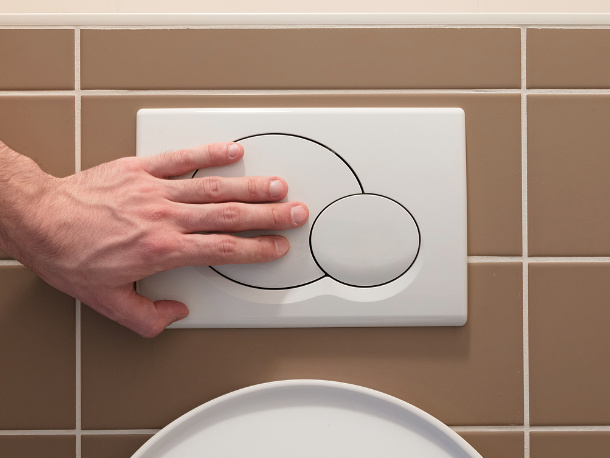
Quick answer: Touch-free smart toilet functions are gaining attention in commercial channels because they can reduce unnecessary physical contact, make common operations more convenient, and support a more modern restroom experience. The most relevant functions include automatic flushing, foot-sensor flushing, seat detection, automatic lid opening and closing, and selected hands-free controls. For B2B buyers, however, the key question is not how many touch-free functions a toilet has, but whether the sensors are reliable, the controls are easy to understand, installation conditions are suitable, and the product can be maintained efficiently across many units.
For distributors, wholesalers, bathroom brands, hotel buyers, apartment projects, and other commercial procurement customers, touch-free technology should be treated as part of a complete smart toilet configuration. A sensor function that looks attractive in a showroom may create unnecessary service work if it triggers incorrectly, is difficult to adjust, or cannot be diagnosed locally. Commercial-channel selection therefore requires a balance between hygiene, convenience, reliability, installation, and after-sales support.
Why Are Touch-Free Functions Gaining Attention?
Conclusion: Hygiene expectations, convenience, smart-building development, and easier user interaction are increasing interest in touch-free bathroom functions.
Commercial restrooms are used by many different people, often with limited time to learn unfamiliar controls. Reducing physical contact with commonly used surfaces can improve the perception of cleanliness while automatic operation can make the experience more intuitive.
For hotels and premium apartments, touch-free functions can also contribute to a modern bathroom image. For commercial facilities, the stronger value may be consistent operation and reduced dependence on users remembering to perform basic actions such as flushing.
Automatic Flushing Is the Most Practical Touch-Free Function
Conclusion: Automatic flushing is often the most commercially relevant touch-free smart toilet feature because it performs a basic operation without requiring user input.
A suitable system should detect the user reliably and trigger flushing at an appropriate time. Buyers should check how the sensor determines occupancy, whether unintended flushing can occur, and whether a manual flushing method remains available.
Commercial buyers should verify:
- Sensor detection stability
- Flush timing
- Manual backup operation
- Compatibility with the flushing system
- Maintenance and troubleshooting method
Foot-Sensor Operation Adds a Simple Hands-Free Alternative
Conclusion: Foot-sensor operation can provide intuitive hands-free control without making the entire toilet dependent on automatic sensing.
Depending on the configuration, a foot sensor may control flushing or selected lid functions. This can be useful where buyers want a clear user-initiated action while avoiding hand contact.
For distributors, foot-sensor functions are also relatively easy to explain on product pages and in showrooms. However, sensor position, activation range, bathroom layout, and cleaning practices should be evaluated before project installation.
Automatic Lid Functions Are Moving into Premium Commercial Configurations
Conclusion: Automatic lid opening and closing is more suitable as a premium comfort feature than as a universal commercial requirement.
Hotels, serviced apartments, premium residences, and higher-level project rooms may use automatic lid functions to create a more visible smart-bathroom experience. However, the mechanism adds sensors, moving parts, and control components.
Project buyers should therefore evaluate both user experience and the additional inspection, spare-parts, and maintenance requirements.
Seat Detection Supports Both Convenience and Function Logic
Conclusion: Seat detection can improve how other functions are controlled by helping the toilet identify whether a user is present.
Depending on product design, seat sensing may work together with flushing, washing, or other automatic functions. This can help reduce unintended operation and create a more logical control sequence.
For B2B procurement, the sensor should be evaluated under realistic use conditions rather than judged only from a demonstration.
Touch-Free Does Not Mean Completely Automatic
Conclusion: Commercial products should still provide understandable manual or backup controls for important functions.
Automatic systems can be convenient, but users and maintenance teams still need a clear alternative when a sensor is not triggered as expected or during troubleshooting.
A strong commercial configuration usually combines touch-free convenience with simple manual controls rather than removing user control entirely.
Hotels and Apartments Need Different Touch-Free Strategies
Conclusion: Hotels may emphasize guest experience, while apartments often require a stronger balance between comfort and long-term maintenance.
Hotels can use automatic flushing, foot sensing, or automatic lid functions to improve premium room positioning. Apartment projects may place additional emphasis on durability, simple operation, replacement parts, and property-management serviceability.
For both channels, using too many different sensor configurations within one project can increase training and spare-parts complexity.
Commercial Projects Should Prioritize Sensor Reliability
Conclusion: Sensor stability is more important than adding the maximum number of touch-free functions.
Sensor performance can be influenced by product design, installation position, user behavior, surrounding objects, and other environmental conditions. Buyers should therefore ask how the relevant sensor function is tested and adjusted.
Representative trial installation is particularly useful for hotels, apartments, and other repeated-room projects.
Installation Conditions Can Affect Touch-Free Performance
Conclusion: Sensor-based functions should be evaluated together with the actual bathroom layout.
Product clearance, wall distance, nearby cabinets, doors, reflective surfaces, floor layout, power supply, and cleaning access can influence how practical an automatic function is in real use.
Buyers should therefore review dimensional drawings and complete a trial installation instead of assuming a successful showroom demonstration will translate directly to every bathroom.
Touch-Free Functions Increase After-Sales Planning Requirements
Conclusion: More sensors and automatic mechanisms mean buyers need clearer technical identification and troubleshooting procedures.
Distributors should know which sensor, cable, control part, or lid-related component belongs to each technical version. When a customer reports an automatic-function problem, the first step should be diagnosis rather than immediate replacement.
Useful troubleshooting information may include:
- Exact product and technical version
- Function involved
- Sensor response description
- Photos or videos
- Installation environment
- Previous troubleshooting steps
How Should Distributors Position Touch-Free Smart Toilets?
Conclusion: Touch-free features are most useful as clear product differentiators rather than mandatory functions across the entire range.
An entry model may keep controls simple. A main-selling model can include automatic flushing or selected foot-sensor operation. Premium models can add automatic lids and broader sensing functions. Project configurations should prioritize stable, understandable automation and maintenance access.
This structure allows distributors to explain why one model costs more without creating too many overlapping technical versions.
How Does Touch-Free Technology Affect Private Label Cooperation?
Conclusion: Private label buyers should keep customized control graphics and marketing claims aligned with the actual sensor functions.
Branding can include commercial model names, product labels, manuals, cartons, and remote-control graphics. If the touch-free function package changes, the related documents and spare-parts references should change with it.
For long-term repeat orders, the commercial model should remain linked to the supplier's technical configuration.
How Should Buyers Evaluate a Smart Toilet Supplier?
Conclusion: A suitable supplier should explain not only which touch-free functions are available, but also how they are installed, tested, diagnosed, and supported.
- Clear sensor and automatic-function descriptions
- Manual backup where appropriate
- Stable technical versions
- Installation and trial-room support
- Sample-to-bulk consistency
- Sensor and control spare-parts references
- Structured troubleshooting support
Touch-Free Smart Toilet Procurement Checklist
Conclusion: Commercial buyers should compare hygiene value, convenience, reliability, installation, and serviceability together.
- Automatic functions have a clear user benefit
- Sensor response has been tested
- Manual backup is understood
- Bathroom layout is compatible
- Electrical and market version is confirmed
- Trial installation is completed for projects
- Technical documents are available
- Spare parts and after-sales procedures are prepared
How AF-KangMu Supports Commercial Buyers
Conclusion: Touch-free functions should be selected according to the commercial application rather than added automatically to every smart toilet.
AF-KangMu works with overseas distributors, wholesalers, bathroom brands, project buyers, and private label partners sourcing smart toilets and related smart bathroom products. Cooperation discussions can cover automatic flushing, foot-sensor operation, automatic lids, seat detection, function packages, installation conditions, electrical versions, samples, customization, packaging, spare parts, and after-sales preparation.
Buyers can provide the target channel, room or project type, expected quantity, preferred functions, installation conditions, price positioning, and branding requirements so an appropriate touch-free configuration can be reviewed.
Conclusion
Conclusion: The commercial value of touch-free smart toilet functions comes from reducing unnecessary contact while keeping operation simple, reliable, and maintainable.
Automatic flushing is likely to remain one of the most practical functions, while foot sensing, automatic lids, and broader sensor automation can differentiate higher product levels. For B2B buyers, reliability and serviceability should always develop alongside automation.
For wholesale distribution, hotel and apartment projects, customization, or private label cooperation, contact AF-KangMu to discuss your commercial application, models, quantities, and touch-free smart toilet requirements.
FAQ
Which touch-free smart toilet function is most practical for commercial use?
Automatic flushing is one of the most practical options because it performs a basic restroom function automatically, although sensor reliability and manual backup should still be evaluated.
Is foot-sensor flushing better than automatic flushing?
Neither is universally better. Automatic flushing requires less user action, while foot sensing gives the user more direct control without hand contact. The better choice depends on the application.
Are automatic lid functions necessary in hotels?
No. They can support premium room positioning, but hotels should compare the added guest experience with maintenance, sensor, and spare-parts requirements.
Do touch-free functions increase maintenance requirements?
They can add sensors, moving mechanisms, cables, or control components, so technical documentation and spare-parts planning become more important.
Should commercial projects test sensor functions before bulk installation?
Yes. A representative trial installation can help verify sensor response, bathroom layout, controls, flushing, electrical conditions, and maintenance access before the same configuration is repeated across many rooms.