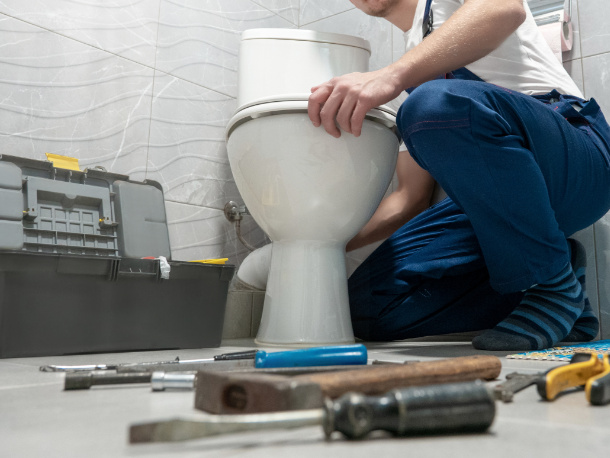

Quick answer: Trial installation can prevent large-scale smart toilet project rework by checking the real relationship between the product, drainage, rough-in distance, water supply, electrical outlet, bathroom space, accessories, controls, cleaning access, and maintenance requirements before bulk installation begins. A representative sample room allows the buyer, installer, contractor, and supplier to identify mismatches early, record corrective actions, and approve one repeatable installation standard.
The following case is a representative and anonymized project scenario based on common smart toilet installation risks. It does not describe a named customer or claim specific cost savings. Its purpose is to show how distributors, wholesalers, bathroom brands, project buyers, and private label partners can use trial installation as a practical project-control step.
Case Background: The Product Matched the Drawing, but the Site Was Different
Conclusion: Product drawings alone were not enough to confirm that the smart toilet could be installed repeatedly across the project.
A project buyer selected a smart toilet based on ceramic dimensions, rough-in information, functions, and electrical specifications. On paper, the model appeared suitable for the planned bathrooms. Before releasing the full quantity for installation, the project team decided to complete one representative room.
During the trial, several small site differences became visible. None of them alone made the product unusable, but if repeated across many rooms, they could have created unnecessary adjustment work, inconsistent installation, and later maintenance problems.
Problem One: Finished-Wall Rough-In Was Different from the Structural Drawing
Conclusion: Rough-in distance should be checked from the finished wall, not only from unfinished construction drawings.
The project drawing showed the drain position before final wall finishes. After waterproofing, adhesive, tile, and wall treatment were completed, the usable distance changed. The trial installation confirmed whether the ceramic could sit correctly without excessive gaps or interference.
The team checked:
- Finished-wall-to-drain-center distance
- Drain outlet alignment
- Rear ceramic clearance
- Side clearance for installation work
- Final visual position against the wall
This measurement was then added to the project installation checklist for the remaining rooms.
Problem Two: Water-Valve Position Interfered with the Product
Conclusion: Water-inlet location must be checked together with the actual ceramic and service space.
The water valve was technically inside the planned installation zone but was too close to the product for convenient connection and future servicing. The trial room allowed the contractor to adjust the valve position before the same arrangement was repeated.
For project procurement, buyers should confirm not only whether a water connection exists, but also whether installers can connect, isolate, inspect, and replace related components later.
Problem Three: The Electrical Outlet Needed Repositioning
Conclusion: Correct voltage does not guarantee correct electrical installation if the outlet position interferes with the product or maintenance access.
The electrical version itself matched the destination market, but the outlet location created an awkward cable route. The project team reviewed cable length, plug direction, grounding, water-valve separation, and access after installation.
The final outlet location was then standardized for later rooms. Electrical work remained subject to applicable local requirements and qualified professional review.
Problem Four: Remote-Control Placement Was Not Practical
Conclusion: Controls should be reviewed from the user’s position, not only from the product drawing.
The initial remote-holder location was convenient for installation but less convenient for the expected user. The trial room allowed the project team to compare reach, visibility, door movement, nearby fittings, and cleaning access.
For hotels, apartments, and residential projects, consistent remote-control placement also simplifies guest instructions and future replacement.
Problem Five: Maintenance Space Was Too Limited
Conclusion: A product that can be installed but cannot be serviced easily may create later project costs.
The trial installation checked whether maintenance staff could reach the water valve, filter, hose connection, electrical connection, control areas, and removable parts without unnecessary demolition or ceramic movement.
Maintenance checks included:
- Water isolation access
- Filter and hose access
- Electrical disconnection access
- Space for basic component inspection
- Removal path for serviceable parts
This review led the project team to preserve more service clearance in the final installation standard.
Problem Six: Installation Accessories Needed Better Control
Conclusion: Small missing or inconsistent accessories can delay a project even when the main smart toilet is correct.
The trial room verified hoses, valves, seals, connectors, fixing parts, remote holders, cables, and printed instructions. The team compared the physical contents with the approved accessory list.
This became the inspection reference for bulk packing so installers would receive the same accessory set for every room.
Problem Seven: Water Conditions Needed On-Site Testing
Conclusion: Supplier-side testing should be supplemented by representative project-site water testing.
The trial checked inlet pressure, available flow, flushing performance, refill behavior where applicable, washing-water performance, and repeated operation. The team also considered whether other floors or pipe branches might have different conditions.
For integrated-tank and direct-water-supply models, the project should verify that the selected structure is suitable for the actual building supply.
The Trial Room Became the Installation Standard
Conclusion: A successful trial installation should be documented so later rooms can reproduce the same result.
After adjustments, the project team recorded the approved drain position, water-valve location, outlet position, product clearance, remote-holder position, accessories, installation sequence, testing method, and maintenance space.
Photos and final measurements were retained as references. This turned the trial room from a simple sample display into a repeatable project standard.
Why Trial Installation Is Especially Important for Large Projects
Conclusion: The more rooms that repeat the same design, the more valuable early problem detection becomes.
In a single installation, an installer may solve a small mismatch manually. In a hotel, apartment, or residential project, repeating that same adjustment across many rooms increases labor, coordination, and schedule risk.
For engineering procurement, the value of trial installation is therefore not only product approval. It is process approval.
Should Every Room Type Be Tested?
Conclusion: Projects with different layouts, drainage conditions, or floor conditions may need more than one representative trial.
If standard rooms, suites, accessible rooms, or different building sections use different plumbing or space conditions, one sample room may not be sufficient. Buyers should identify the room types that create materially different installation conditions.
How Trial Installation Supports Quality Control
Conclusion: The approved trial creates a practical reference for bulk inspection and installation acceptance.
- Final product dimensions verified
- Drainage and rough-in approved
- Water and electrical conditions documented
- Function testing sequence defined
- Accessories and labels confirmed
- Installation photographs retained
- Maintenance clearances recorded
Bulk goods can then be checked against the actual approved project version rather than only against generic catalog information.
How Trial Installation Supports Customization
Conclusion: Customized models should be tested in their final project configuration before large quantities are released.
Private label or customized projects may involve different labels, manuals, remote-control artwork, functions, voltage versions, accessories, or packaging. Trial installation helps verify that these commercial changes remain consistent with the technical product.
The buyer’s commercial model should remain linked to the supplier’s technical version for future replacement and spare-parts identification.
How Should Buyers Evaluate the Supplier?
Conclusion: A suitable smart toilet supplier should support trial installation with accurate drawings, requirements, documents, and corrective-action communication.
- Complete dimensional and installation drawings
- Clear drainage, rough-in, water, and electrical requirements
- Stable market-version control
- Complete accessory lists
- Trial-installation technical support
- Written records of approved changes
- Model-specific troubleshooting and spare parts
Project Trial Installation Checklist
- Representative room selected
- Finished-wall rough-in measured
- Drain, water valve, and outlet positions checked
- Flushing and washing tested
- Controls and remote location approved
- Accessories verified
- Cleaning and maintenance space confirmed
- Final installation standard documented
How AF-KangMu Supports Project Buyers
AF-KangMu works with overseas distributors, wholesalers, bathroom brands, project buyers, and private label partners sourcing smart toilets and related smart bathroom products. Cooperation discussions can cover product selection, installation drawings, drainage, rough-in distance, water conditions, electrical versions, functions, accessories, trial installation, customization, packaging, and spare-parts planning.
Buyers can provide project drawings, room types, quantities, drainage positions, water conditions, electrical requirements, selected functions, and delivery stages so the installation conditions can be reviewed before bulk procurement.
Conclusion
Trial installation prevents project rework by converting drawings and product specifications into a verified real-site installation standard. It can identify small drainage, water, electrical, control, accessory, and maintenance issues before they are repeated across an entire project.
For hotel, apartment, residential, wholesale, customization, or private label projects, contact AF-KangMu to discuss your drawings, room conditions, selected models, quantities, and trial-installation requirements.
FAQ
Is trial installation necessary if the product drawing matches the project drawing?
It is still strongly recommended because finished-wall dimensions, site tolerances, valve positions, outlets, and maintenance space may differ from drawings.
How many trial rooms should a project prepare?
At least one representative installation is useful, while projects with materially different room layouts or plumbing conditions may require additional trials.
What should be checked during a smart toilet trial installation?
Check drainage, rough-in distance, water supply, electrical outlet, flushing, washing, controls, accessories, cleaning space, and maintenance access.
Should trial installation be completed before bulk production?
Where possible, key installation conditions should be approved before the full project configuration and quantity are released.
Can trial installation help with after-sales service?
Yes. It creates approved installation references, photos, measurements, and service-clearance information that can support later troubleshooting.