
Quick answer: The most common mistakes in bulk smart toilet orders are choosing mainly by price, ordering too many similar models, ignoring local installation conditions, failing to verify water pressure and flow, selecting the wrong electrical version, approving an incomplete sample, mixing market versions, over-customizing the first order, overlooking packaging and logistics, and failing to prepare spare parts and after-sales procedures. B2B buyers can reduce these risks by defining the complete product and market version before production and validating it through samples, installation checks, documentation, and inspection.
For distributors, wholesalers, bathroom brands, project buyers, and private label partners, a bulk smart toilet order affects inventory, installation, logistics, product positioning, and after-sales service at the same time. The following 10 mistakes are practical procurement risks rather than a statistical ranking.
1. Choosing Mainly by the Lowest Unit Price
Conclusion: A low quotation is only meaningful when the technical and commercial scope is comparable.
Two similar-looking smart toilets may have different washing functions, flushing structures, electrical versions, accessories, packaging, and after-sales support. Buyers should compare the complete configuration before comparing price.
Check whether the quotation includes:
- Exact model and functions
- Remote control and accessories
- Voltage and plug version
- Standard export packaging
- After-sales and spare-parts scope
2. Ordering Too Many Similar Models
Conclusion: More models can create more inventory complexity without creating meaningful market coverage.
New distributors sometimes select many products with only small differences in appearance or optional functions. This divides inventory across cartons, manuals, remotes, electrical versions, and spare parts.
A clearer range usually separates entry, main-selling, premium, and project roles. Each model should have a specific customer and price position.
3. Ignoring Local Installation Conditions
Conclusion: A suitable product must match the actual bathroom before it can become a successful wholesale item.
Buyers should confirm drainage type, finished-wall rough-in distance, water-valve position, electrical outlet, bathroom clearance, and maintenance access.
For hotel, apartment, and residential projects, representative trial installation should be completed before large quantities are released.
4. Checking Water Pressure but Not Inlet Flow
Conclusion: Pressure and flow should both be reviewed because they affect flushing and washing performance differently.
A bathroom connection may show acceptable static pressure while providing insufficient flow during operation. Direct-water-supply models generally depend more directly on real-time supply, while integrated-tank models store water before flushing but still require sufficient water for refilling.
Buyers should test the selected model under representative local conditions rather than relying on general building data.
5. Treating Voltage and Plug as the Same Issue
Conclusion: Changing the plug does not change the internal electrical version.
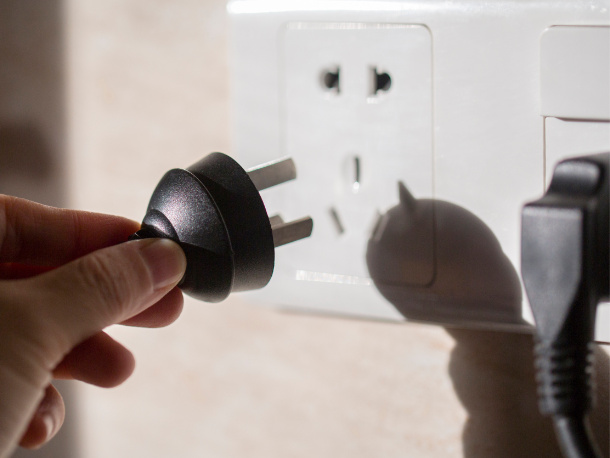
Voltage, frequency, plug type, grounding, cable, heating components, and control-related parts should be confirmed as one market configuration. A plug adapter cannot correct an unsuitable internal voltage version.
Multi-country buyers should use separate technical codes and labels for each electrical version.
6. Approving a Sample Without Freezing the Bulk Specification
Conclusion: Sample approval is incomplete when temporary components, packaging, or documents remain undefined.
A sample may use temporary labels, general manuals, sample cartons, provisional plugs, or different accessories. Every difference between the sample and intended bulk product should be documented before production.
The final approval should cover:
- Technical model and functions
- Electrical and plug version
- Installation accessories
- Labels and manuals
- Packaging
- Approved component changes
7. Failing to Control Different Market Versions
Conclusion: Visually identical smart toilets may still require separate market-version management.
Voltage, plug, rough-in distance, language, function package, labels, and packaging may vary by destination. Product labels, cartons, warehouse records, inspection sheets, and spare parts should all point to the same technical version.
Version control must continue in the distributor's warehouse after import.
8. Over-Customizing the First Order
Conclusion: Excessive customization before market validation can increase cost, lead time, and obsolete-material risk.
Private label buyers may want customized logos, commercial models, product labels, manuals, cartons, remote-control graphics, functions, and accessories at the same time.
A safer approach can be to begin with a mature product platform and selected branding, then expand customization after the main-selling models and repeat-order potential are clearer.
9. Treating Packaging and Container Loading as Last-Minute Logistics
Conclusion: Packaging should be approved as part of the product, not only after production is complete.
Smart toilet export packaging should protect the ceramic body, seat cover, electronic components, remote control, and installation accessories. Buyers should confirm final carton dimensions and gross weight before planning container quantities.
For mixed-model orders, loading stability, carton weights, market-version identification, and unloading sequence should also be reviewed.
10. Waiting Until Problems Occur to Plan After-Sales Service
Conclusion: Spare parts and troubleshooting procedures should be prepared before local sales begin.
Remote controls, sensors, valves, cables, heaters, connectors, and control components may differ between models and market versions. Buyers should link commercial product names to exact technical versions.
A practical after-sales plan should include:
- Model-specific spare-parts references
- Installation and troubleshooting documents
- Required photos and videos for claims
- Local replacement boundaries
- Supplier technical-support process
How Should Buyers Structure a First Bulk Order?
Conclusion: A first order should prioritize learning and version control rather than maximum product variety.
Distributors can concentrate quantity on the strongest main-selling candidate while using smaller quantities for entry or premium models. Final quantities should reflect market confidence, installation fit, price positioning, showroom strategy, and warehouse capacity.
Samples, trial installation, and pilot sales can provide useful evidence before the next order is expanded.
Which Mistakes Are Most Serious for Project Buyers?
Conclusion: Project buyers should prioritize installation compatibility, batch consistency, documentation, and delivery control.
A small mistake repeated across many hotel or apartment rooms can become a project-wide problem. Final drawings, trial-room approval, accessories, project versions, and phased delivery should therefore be controlled before installation begins.
Which Mistakes Matter Most in Private Label Cooperation?
Conclusion: Private label buyers need strong control over commercial models, technical versions, files, packaging, and repeat orders.
The brand's product name should remain linked to the supplier's technical configuration. Labels, manuals, cartons, electrical versions, functions, and spare parts should all describe the same approved product.
How Should Buyers Evaluate the Supplier?
Conclusion: A reliable smart toilet supplier should help reduce purchasing complexity instead of simply encouraging larger quantities.
- Clear market and installation guidance
- Stable technical versions
- Documented sample approval
- Transparent quotation and MOQ
- Controlled customization
- Packaging and delivery support
- Spare-parts and after-sales planning
Bulk Smart Toilet Order Checklist
- Models have clear commercial roles
- Installation and water conditions are verified
- Electrical versions are confirmed
- Final samples and specifications are approved
- Market versions are separately identified
- Customization scope is controlled
- Packaging and logistics are reviewed
- Spare parts and after-sales procedures are prepared
How AF-KangMu Supports Bulk Buyers
AF-KangMu works with overseas distributors, wholesalers, bathroom brands, project buyers, and private label partners sourcing smart toilets and related smart bathroom products. Cooperation discussions can cover product-range planning, installation conditions, water and electrical versions, samples, customization, packaging, container orders, project delivery, spare parts, and after-sales documentation.
Buyers can provide the destination market, selected models, quantities, installation conditions, required functions, branding needs, and shipping plans so the bulk-order configuration can be reviewed before production.
Conclusion
Most bulk smart toilet procurement mistakes are easier to prevent before production than to correct after arrival. Price, product mix, installation, water, electricity, samples, versions, customization, packaging, and after-sales support should be evaluated as one purchasing system.
For wholesale distribution, project procurement, customization, or private label cooperation, contact AF-KangMu to discuss your target market, models, quantities, and bulk smart toilet purchasing plan.
FAQ
What is the most common mistake in bulk smart toilet procurement?
There is no single universal mistake, but choosing primarily by price without confirming product configuration and market compatibility can lead to several later problems.
Should a new distributor order many models in the first shipment?
Not necessarily. A focused range with clearly different product roles is usually easier to test, stock, sell, and support.
Is sample approval enough before bulk production?
No. The final technical version, accessories, labels, manuals, packaging, and any sample differences should also be frozen or documented.
When should buyers prepare spare parts?
Spare-parts planning should ideally begin before or together with the first bulk order so parts match the actual production version.
What information should buyers provide before requesting a bulk quotation?
Provide the destination market, quantity, selected models, required functions, installation and water conditions, electrical version, customization requirements, and shipping needs.