
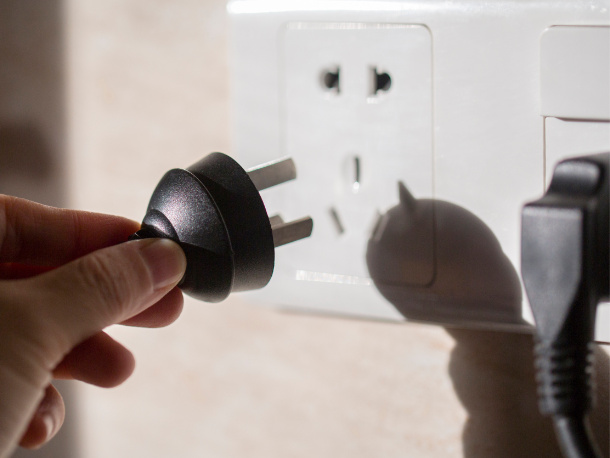
Quick answer: Smart toilet market-version control should manage voltage, frequency, plug type, language, labels, manuals, packaging, accessories, technical model codes, and spare parts as one approved configuration. B2B buyers should avoid managing these items separately because a product can look identical while requiring a different electrical version, plug, manual, carton, or service part for another country. A clear version system helps reduce production mistakes, mixed shipments, warehouse errors, installation problems, and after-sales confusion.
For distributors, wholesalers, bathroom brands, project buyers, and private label partners selling smart toilets across several countries, market-version management becomes increasingly important as the product range grows. The following 10 points are practical control methods rather than a statistical ranking.
1. Create a Separate Market Version for Each Electrical Configuration
Conclusion: Different voltage or frequency configurations should not be treated as the same finished product merely because the ceramic and appearance are identical.
Voltage, frequency, power-related components, cable, plug, grounding requirements, labels, and documentation should be reviewed as one configuration. Buyers should establish a clear technical reference for each approved market version.
A version record may include:
- Technical model code
- Voltage and frequency
- Plug type
- Destination market
- Applicable labels and manuals
2. Do Not Treat Plug Type as a Substitute for Voltage Control
Conclusion: A different plug does not automatically mean the internal electrical configuration has been changed correctly.
Markets can use different plugs even when their nominal voltage ranges are similar, while other markets may use similar-looking plugs with different electrical conditions. Buyers should therefore confirm voltage, frequency, plug, cable, and grounding together.
A plug adapter only changes the physical connection. It does not convert an unsuitable internal voltage version.
3. Assign Clear Technical and Commercial Model Codes
Conclusion: Every commercial model should remain traceable to an exact technical version.
A distributor or bathroom brand may use its own sales model number, while the supplier uses an internal technical model. Both references should remain connected in purchasing, inspection, warehousing, spare-parts records, and repeat orders.
This becomes particularly important when the same smart toilet appearance is sold with different voltage, plug, language, or function configurations.
4. Match Product Labels to the Actual Market Version
Conclusion: Product labels should identify the real configuration rather than provide generic information for several different versions.
Where applicable, buyers should verify that model information, electrical information, product identification, and relevant warnings correspond to the actual unit being shipped.
Private label buyers should also ensure that customized brand labels do not remove the technical information needed for later identification and service.
5. Control Manual and Language Versions
Conclusion: The language of the manual should be managed together with the technical version, not as an unrelated printed item.
A manual should describe the actual functions, control layout, installation requirements, voltage, accessories, and troubleshooting information of the supplied product. Using one generic document for several different versions can create installation and service confusion.
Check that the manual matches:
- Commercial model
- Function package
- Remote or side-control layout
- Electrical version
- Installation accessories
6. Match Cartons and Packaging Labels to the Product
Conclusion: Warehouse teams should be able to identify the market version without opening the carton.
Outer cartons can include model references, destination-market identification, electrical version information, language references, project codes, or other agreed identification.
For private label smart toilets, carton artwork should also remain linked to the correct commercial and technical model rather than being reused across incompatible versions.
7. Separate Different Versions During Production, Inspection, and Packing
Conclusion: Version control must continue through the entire order process, not stop after quotation approval.
When several country versions are produced in the same period, similar appearance can increase the risk of mixing. Production records, inspection references, packing lists, cartons, and quantity records should therefore distinguish each approved version.
Final inspection should verify not only that the smart toilet works, but also that the unit has the correct voltage, plug, labels, manual, accessories, and packaging.
8. Separate Versions in the Distributor's Warehouse
Conclusion: Importers should continue market-version control after the goods arrive.
A factory can ship the correct products, but warehouse mixing can still create wrong deliveries later. Distributors serving multiple countries should keep clear stock codes, carton identification, storage locations, and order-picking references for each version.
This is especially important when ceramic appearance is identical across several electrical or language versions.
9. Link Spare Parts to the Same Version System
Conclusion: Spare parts should be selected by technical version rather than by product appearance.
Remote controls, sensors, cables, control parts, heating-related components, and other service parts may differ between market versions. The commercial model, technical model, electrical configuration, and applicable spare parts should therefore be linked.
For distributors, this makes local after-sales service easier and reduces the risk of sending an incompatible replacement part.
10. Control Changes and Repeat Orders Against the Previous Approved Version
Conclusion: Repeat orders should reference the last approved configuration rather than rebuild requirements from scattered messages.
When a plug, manual, function, label, carton, component, or other item needs to change, the updated version should be recorded clearly. Buyers should understand which markets and future orders are affected.
This is particularly important for long-term private label cooperation because customized files may remain in use across several purchasing cycles.
How Should Multi-Country Buyers Build a Version Matrix?
Conclusion: A simple market-version matrix can connect each destination country with the correct technical configuration and documents.
- Destination market
- Commercial model
- Technical model
- Voltage and frequency
- Plug type
- Language version
- Product label
- Manual and carton version
- Applicable accessories and spare parts
For distributors operating across several countries, this matrix can become a reference for purchasing, inspection, warehousing, sales, and after-sales teams.
How Does Version Control Affect Installation?
Conclusion: Correct market-version management reduces electrical and documentation errors, but installation compatibility still needs separate site verification.
Buyers should also confirm drainage, rough-in distance, water pressure, flow, outlet position, and bathroom clearance. Correct voltage and plug do not automatically mean that the product fits the plumbing conditions.
Final electrical installation should follow applicable local requirements and be reviewed by qualified professionals where required.
How Does Private Label Cooperation Increase Version Complexity?
Conclusion: Private label cooperation adds commercial files that must stay connected to the technical product.
Brand logos, commercial model names, labels, manuals, cartons, remote graphics, electrical versions, and accessories may all be customized. If each file is managed independently, later repeat orders can become difficult to verify.
A controlled private label version should therefore combine branding and technical configuration in one approved reference.
How Should Buyers Evaluate the Supplier?
Conclusion: A suitable smart toilet supplier should be able to distinguish and trace market versions clearly from quotation through after-sales support.
- Clear technical model codes
- Voltage and plug identification
- Language and manual control
- Product and carton version labels
- Pre-shipment version inspection
- Commercial-to-technical model mapping
- Spare-parts compatibility records
Smart Toilet Market Version Control Checklist
- Voltage and frequency confirmed
- Plug and cable version approved
- Commercial and technical models linked
- Labels and manuals match the product
- Carton version is clearly identified
- Different country versions are separated
- Spare parts are linked to technical versions
- Repeat orders reference the approved configuration
How AF-KangMu Supports B2B Buyers
AF-KangMu works with overseas distributors, wholesalers, bathroom brands, project buyers, and private label partners sourcing smart toilets and related smart bathroom products. Cooperation discussions can cover voltage, plug, language, commercial models, technical versions, labels, manuals, packaging, installation requirements, customization, spare parts, and repeat-order version control.
Buyers can provide destination countries, quantities, required electrical versions, plug types, languages, branding requirements, and selected models so the different market configurations can be reviewed before sample and bulk production.
Conclusion
Smart toilet market-version control should connect electrical configuration, plug, language, labels, manuals, cartons, model codes, accessories, and spare parts. Managing these items as one approved system helps distributors reduce mixed shipments, warehouse mistakes, installation confusion, and after-sales errors.
For wholesale distribution, project procurement, customization, or private label cooperation across multiple markets, contact AF-KangMu to discuss your destination countries, models, quantities, and smart toilet version requirements.
FAQ
Can the same smart toilet use different plugs for different countries?
It may be possible depending on the approved electrical configuration, but plug type should always be confirmed together with voltage, frequency, cable, grounding, and the product's internal electrical version.
Can a plug adapter solve a voltage mismatch?
No. A plug adapter changes the physical connection but does not convert the internal operating voltage of the smart toilet.
Should different language manuals have separate version control?
Yes. Each manual should remain linked to the correct model, functions, electrical configuration, accessories, and market version.
Why should warehouse teams care about technical versions?
Similar-looking products may have different voltage, plug, language, or function configurations, so technical-version identification helps prevent incorrect deliveries.
What should be confirmed before a repeat order?
Confirm the previously approved technical version, voltage, plug, language, labels, manuals, packaging, accessories, spare parts, and any changes requested for the new order.