
Quick answer: Before smart toilets are shipped, B2B buyers should verify 10 quality areas: ceramic appearance and dimensions, flushing operation, washing and nozzle functions, heating and drying, sensors and user controls, water and electrical connections, voltage and market version, accessories and documentation, packaging condition, and final order consistency. Pre-shipment inspection should confirm that the actual bulk goods match the approved sample and purchase specification rather than only checking whether individual units can power on.
For distributors, wholesalers, bathroom brands, project buyers, and private label partners, final inspection is an important control point between production and international shipment. A smart toilet combines ceramic, water, electrical, heating, sensing, and control systems, so one inspection item cannot represent the complete product. The following 10 points are practical pre-shipment checks rather than a statistical ranking.
1. Ceramic Appearance and Key Dimensions
Conclusion: The ceramic body should be checked for visible appearance issues and critical installation dimensions before packing.
Buyers should review visible surfaces, edges, openings, mounting areas, drain alignment, and other model-specific ceramic details. Critical dimensions should also remain consistent with the approved drawing or sample where applicable.
Useful checks include:
- Visible ceramic surface condition
- Edges and exposed areas
- Drain and installation positions
- Seat-to-ceramic fit
- Model-specific critical dimensions
For project orders, dimensional consistency is especially important because one repeated deviation can affect installation across many rooms.
2. Flushing Operation
Conclusion: Flushing should be checked under the correct water-supply conditions for the selected model.
Inspection should confirm that the flushing sequence operates normally and that the product matches its intended water-supply structure. Integrated-tank and direct-water-supply models may require different test conditions.
Buyers should avoid judging flushing performance without considering inlet pressure, flow, refill conditions, and the actual product configuration.
3. Washing and Nozzle Functions
Conclusion: Core washing functions should operate according to the approved configuration.
Rear wash, feminine wash, nozzle movement, nozzle position, water-pressure adjustment, temperature adjustment, and self-cleaning functions should be checked where included in the model.
The inspection should also verify whether the control buttons or remote commands correspond correctly to the actual functions.
4. Heating and Drying Functions
Conclusion: Heating-related functions should be tested as functional systems rather than assumed from the specification sheet.
Depending on the model, buyers may need to check seat heating, washing-water heating, and warm-air drying. Function levels and available settings should match the approved product version.
If a model does not include a specific heating or drying feature, inspection records should not use a generic checklist that implies the function is present.
5. Sensors, Automatic Functions, and Controls
Conclusion: Sensor and control functions should be checked against the exact function package of the model.
Automatic flushing, foot sensing, seat detection, automatic lid functions, remote controls, and side panels may vary significantly between configurations.
Inspection should confirm:
- Sensor response where configured
- Automatic function sequence
- Remote-control operation
- Side-panel operation
- Consistency between controls and manuals
Premium models with more automatic functions normally require more detailed version control.
6. Water and Electrical Connections
Conclusion: Connection points should match the approved installation version and show no obvious abnormal condition before shipment.
Water inlets, hoses, connectors, cables, plugs, and accessible connection areas should be checked according to the product design. Buyers should also confirm that the supplied accessories match the installation instructions.
For final bathroom electrical installation, local applicable requirements and qualified professional review still apply.
7. Voltage, Frequency, Plug, and Market Version
Conclusion: Electrical version control is one of the most important checks for multi-country smart toilet orders.
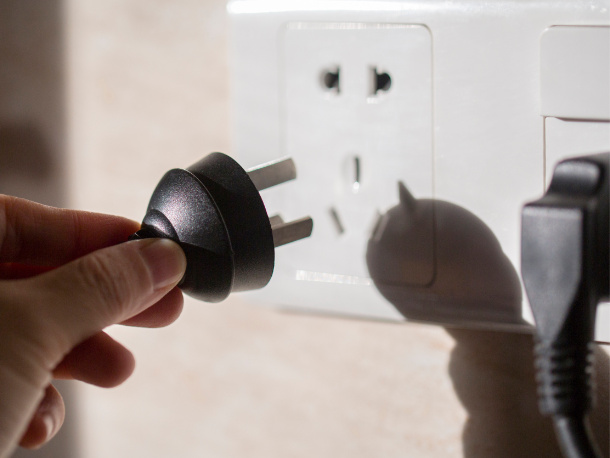
Voltage, frequency, plug type, cable, labels, manuals, and related internal configuration should all describe the same market version. A plug adapter does not convert an unsuitable internal voltage configuration.
For mixed-market shipments, each version should be clearly identified on the product, carton, packing records, and warehouse documents.
8. Accessories, Labels, and Manuals
Conclusion: A complete smart toilet shipment includes the correct accessories and information, not only the main product.
Depending on the model, the packing set may include hoses, seals, valves, fixing parts, remote controls, remote holders, cables, plugs, labels, and manuals.
Private label buyers should check that the commercial model, brand files, labels, manuals, and actual technical version remain consistent.
9. Packaging and Carton Condition
Conclusion: Final quality control should include export packaging because transport protection begins before the container is loaded.
Buyers should check ceramic support points, internal movement, seat-cover protection, accessory placement, carton condition, model labels, and market-version identification.
Final carton dimensions and gross weight should also match logistics records used for loading and shipping planning.
10. Bulk Order Consistency Against the Approved Standard
Conclusion: The final inspection should confirm that bulk goods match the approved sample, purchase order, and final specification.
A product can pass individual function tests while still being the wrong version. Buyers should therefore compare the finished goods with the approved technical model, functions, electrical version, accessories, labels, manuals, packaging, and customization files.
This is particularly important when several similar smart toilet models or country versions are produced in the same period.
How Should Inspection Differ for Wholesale and Project Orders?
Conclusion: Wholesale orders require strong version and packaging control, while project orders require additional attention to installation consistency.
For distributors and wholesalers, inspection should help ensure the warehouse receives correctly labeled products that can be sold and supported by model. For hotels, apartments, and residential projects, dimensions, rough-in, accessories, and approved project versions deserve additional attention.
How Should Private Label Products Be Inspected?
Conclusion: Private label inspection should cover both technical performance and brand-version accuracy.
Logo, commercial model, product labels, manuals, carton artwork, remote graphics, functions, electrical configuration, and accessories should all correspond to the approved private label version.
Any temporary sample difference should already be closed before the final shipment inspection.
What Should Be Recorded During Pre-Shipment Inspection?
Conclusion: Inspection records should make the final shipment traceable.
- Product model and technical version
- Order and quantity reference
- Key functional inspection results
- Electrical and market-version information
- Accessory and documentation checks
- Packaging and carton checks
- Photos or videos where appropriate
How Should Buyers Evaluate the Supplier?
Conclusion: A suitable smart toilet supplier should be able to explain what is checked before shipment and how the final goods are compared with the approved version.
- Clear inspection items by model
- Approved sample and specification reference
- Market-version control
- Accessory and document verification
- Packaging inspection
- Traceable inspection records
- Corrective-action support when problems are found
Pre-Shipment Smart Toilet Inspection Checklist
- Ceramic appearance and dimensions checked
- Flushing and washing functions verified
- Heating, drying, sensors, and controls checked
- Water and electrical connections reviewed
- Voltage and market version confirmed
- Accessories, labels, and manuals verified
- Packaging condition approved
- Bulk goods matched against the final approved standard
How AF-KangMu Supports B2B Buyers
AF-KangMu works with overseas distributors, wholesalers, bathroom brands, project buyers, and private label partners sourcing smart toilets and related smart bathroom products. Cooperation discussions can cover model specifications, samples, installation conditions, water and electrical versions, functions, customization, accessories, packaging, spare parts, and pre-shipment verification requirements.
Buyers can provide selected models, quantities, destination markets, project requirements, branding files, electrical versions, and inspection priorities so the final shipment requirements can be discussed before bulk delivery.
Conclusion
Smart toilet pre-shipment inspection should confirm the complete product rather than one isolated function. Ceramic condition, flushing, washing, heating, controls, electrical versions, accessories, documentation, packaging, and bulk-order consistency should all point to the same approved configuration.
For wholesale distribution, project procurement, customization, or private label cooperation, contact AF-KangMu to discuss your models, quantities, market versions, and smart toilet inspection requirements before shipment.
FAQ
What should be checked before a bulk smart toilet shipment?
Key areas include ceramic condition, flushing, washing, heating, sensors, controls, water and electrical connections, market versions, accessories, documents, packaging, and final order consistency.
Is powering on the smart toilet enough for final inspection?
No. Power-on testing does not verify flushing, water functions, accessories, installation dimensions, market versions, packaging, or sample-to-bulk consistency.
Why is market-version inspection important?
Similar-looking smart toilets may have different voltage, plug, functions, labels, manuals, or accessories, so the wrong version can create installation and after-sales problems.
Should private label packaging be included in quality inspection?
Yes. Carton artwork, model identification, market version, internal protection, accessories, and final packed condition should all match the approved private label order.
What should buyers do if an inspection problem is found before shipment?
The issue should be identified, affected quantities separated where necessary, corrective actions completed, and the relevant items rechecked before shipment approval.