
Quick answer: The 10 most common private label customization items for smart toilets are brand logos, commercial model names, product labels, user manuals, carton and packaging artwork, remote-control or side-panel graphics, function packages, voltage and plug versions, installation accessories, and market-specific product files. B2B buyers should not customize these items independently. They should be managed as one approved product version so the sample, bulk production, packaging, documents, spare parts, and repeat orders all refer to the same smart toilet configuration.
For distributors, wholesalers, bathroom brands, project buyers, and private label partners, smart toilet customization is most effective when branding and technical control are developed together. The following 10 items are practical customization categories rather than a statistical ranking.
1. Brand Logo and Product Branding
Conclusion: Logo customization is usually the most visible part of private label cooperation, but its position and application method should be approved before bulk production.
The brand may appear on the ceramic, smart seat, remote control, product label, carton, manual, or other approved areas. Buyers should confirm logo size, location, artwork format, and whether different product models use the same branding standard.
Useful approval points include:
- Logo artwork
- Position and size
- Applicable product models
- Packaging placement
- Approved final sample reference
2. Commercial Model Names
Conclusion: A private label model name should remain permanently linked to the supplier's technical model.
Bathroom brands often create their own commercial model numbers for catalogs, websites, cartons, and distributor systems. This is useful for branding, but it can create after-sales confusion if the original technical version is lost.
Buyers should maintain a model-mapping record connecting the private label model to the exact ceramic, electrical version, functions, accessories, and spare parts.
3. Product Labels and Rating Information
Conclusion: Product labels should identify the actual market version rather than only display the buyer's brand.
Depending on the product and market requirements, labels may include model references, electrical information, product identification, warnings, or other relevant information. The content should match the product actually supplied.
Multi-country buyers should avoid using one generic label for different voltage, plug, or function versions unless the information remains accurate for each unit.
4. User Manuals and Installation Instructions
Conclusion: Customized manuals should describe the exact product functions and installation conditions.
Private label manuals may include the buyer's brand, commercial model, language, installation drawings, function instructions, accessory references, and troubleshooting information.
Using a generic manual for several different smart toilet versions can create confusion when buttons, functions, electrical information, or installation conditions differ.
5. Carton and Packaging Artwork
Conclusion: Private label packaging should strengthen brand presentation without weakening the approved product-protection structure.
Buyers may customize the logo, model name, handling marks, product information, carton graphics, and market identification. However, changes to carton dimensions, materials, or internal structure should be reviewed carefully because they may affect protection and container loading.
Packaging approval should cover:
- Carton artwork
- Model identification
- Market-version marks
- Final carton dimensions
- Internal protection structure
6. Remote-Control and Side-Panel Graphics
Conclusion: Control graphics should match the actual functions rather than being treated only as visual branding.
Private label buyers may customize button names, symbols, layout graphics, or brand marks on remote controls and side panels. Any graphic change should remain consistent with the control logic and the user manual.
If different models use different functions, buyers should avoid applying the same control artwork across incompatible versions.
7. Function Package
Conclusion: Function customization should begin with a stable product platform and clear target-market positioning.
Buyers may select different combinations of washing, heated seat, drying, automatic flushing, foot sensing, automatic lid, lighting, deodorization, and other available functions.
For distributors, a practical strategy is to define entry, main-selling, and premium configurations instead of creating many slightly different versions. Each additional function can also affect components, documents, testing, spare parts, and cost.
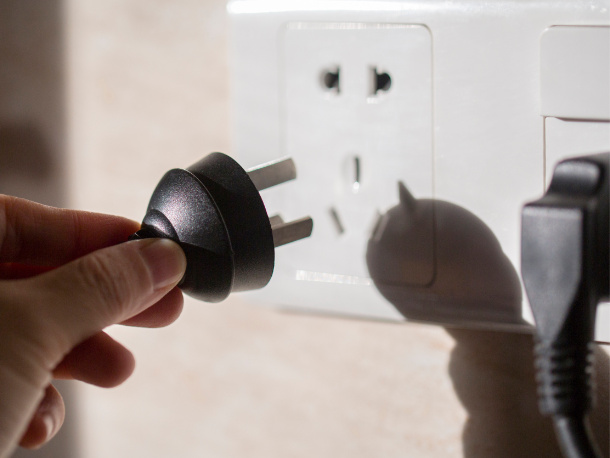
8. Voltage, Frequency, Plug, and Cable Version
Conclusion: Electrical customization must be treated as a technical market version, not simply a plug change.
Voltage, frequency, plug type, grounding, cable, and related internal components should be confirmed together. A plug adapter does not convert an unsuitable internal voltage configuration.
For bathroom installation, final electrical arrangements should follow applicable local requirements and qualified professional review.
9. Installation Accessories
Conclusion: Customized accessory kits can improve market fit, but every included item should be documented.
Depending on the model and destination market, buyers may need specific hoses, valves, connectors, seals, fixing parts, remote holders, or other installation accessories.
The packing list, manual, sample, and bulk shipment should all show the same accessory configuration. For project procurement, standardized accessory kits can reduce repeated installation questions.
10. Market-Specific Product Files and Version Identification
Conclusion: The most important customization control is ensuring that every customized file points to the same approved technical version.
A private label smart toilet may have customized product labels, manuals, cartons, remote graphics, commercial models, electrical versions, and accessories. These items should not be managed as unrelated files.
Each market version should have a clear reference showing which files, components, functions, packaging, and spare parts belong together.
Which Customizations Should Buyers Prioritize First?
Conclusion: First-time private label buyers should prioritize identity, market compatibility, and version control before deeper structural customization.
A practical first stage may focus on logo, commercial model, product label, manual, carton artwork, and confirmed market version. More complex function or component changes can be considered after the core models have been validated.
This approach can reduce unnecessary development complexity and obsolete customized materials.
How Does Customization Affect MOQ and Lead Time?
Conclusion: Different customization items may have different preparation requirements and minimum quantities.
Printed cartons, manuals, labels, customized controls, or special components may not follow the same minimum quantity as the finished smart toilet. Lead time may also depend on artwork approval, material preparation, sample confirmation, production, and inspection.
Buyers should request a separate explanation for each customized item rather than assuming one MOQ applies to everything.
How Should Buyers Approve a Private Label Sample?
Conclusion: The sample should be checked as a complete commercial and technical product.
- Logo and commercial model
- Functions and control graphics
- Voltage and plug
- Labels and manuals
- Installation accessories
- Carton and packaging
- Technical-version reference
Any temporary sample difference should be recorded before bulk production.
How Should Buyers Evaluate a Private Label Supplier?
Conclusion: A suitable smart toilet supplier should clearly explain what can be customized and how each change will be controlled.
- Clear customization scope
- Commercial-to-technical model mapping
- Artwork and sample approval process
- Market-version control
- Transparent MOQ and lead-time impact
- Packaging and documentation support
- Spare-parts compatibility for repeat orders
Private Label Smart Toilet Customization Checklist
- Brand logo approved
- Commercial and technical models linked
- Labels and manuals match the product
- Packaging artwork approved
- Control graphics match the functions
- Electrical market version confirmed
- Accessories documented
- Repeat-order files and spare parts traceable
How AF-KangMu Supports Private Label Buyers
AF-KangMu works with overseas distributors, wholesalers, bathroom brands, project buyers, and private label partners sourcing smart toilets and related smart bathroom products. Cooperation discussions can cover product selection, logos, model names, labels, manuals, packaging, function packages, electrical versions, installation accessories, samples, version control, and spare-parts planning.
Buyers can provide the target market, selected models, expected quantities, brand files, functions, electrical requirements, packaging needs, and customization priorities so the private label scope can be reviewed before sample and bulk production.
Conclusion
Successful private label smart toilet cooperation requires more than putting a logo on an existing product. Commercial models, labels, manuals, packaging, controls, functions, electrical versions, accessories, and market files should all remain connected to one approved technical configuration.
For wholesale distribution, project procurement, customization, or private label cooperation, contact AF-KangMu to discuss your target market, product models, branding requirements, quantities, and smart toilet customization plan.
FAQ
What can usually be customized on a private label smart toilet?
Common areas include logos, commercial model names, labels, manuals, cartons, control graphics, function packages, electrical versions, and installation accessories.
Should first-time buyers customize every part of the product?
Not necessarily. It can be more practical to begin with branding and market-version customization on a stable product platform before introducing deeper changes.
Does every customization item have the same MOQ?
No. Finished products, printed materials, packaging, and special components may have different preparation and minimum-quantity requirements.
How can private label buyers avoid version confusion?
Keep the commercial model, technical model, electrical version, functions, files, packaging, accessories, and spare parts linked in one version-control record.
What should be approved before bulk production?
Approve the sample configuration, branding, labels, manuals, control graphics, electrical version, accessories, packaging, and any remaining sample-to-bulk differences.