
Quick answer: The main after-sales risks in bulk smart toilet procurement are installation mismatch, unsuitable water conditions, incorrect voltage or plug versions, sample-to-bulk differences, mixed market versions, incomplete accessories, incompatible spare parts, unclear manuals, shipping damage, and slow claim handling. B2B buyers can reduce these risks by confirming the complete product version before production, completing sample and trial-installation checks, preparing model-specific documents and spare parts, and establishing a structured after-sales process before shipment.
For distributors, wholesalers, bathroom brands, project buyers, and private label partners, smart toilet after-sales risk should be considered before the order is placed. The following 10 items are practical procurement risks rather than a statistical ranking. Their importance depends on the destination market, product configuration, project conditions, and local service capability.
1. Installation Mismatch
Conclusion: A technically functional smart toilet can still become an after-sales problem if it does not match the bathroom installation conditions.
Common issues include incorrect rough-in distance, unsuitable drainage, inaccessible water valves, poor electrical outlet placement, or insufficient maintenance clearance. These problems may be reported as product defects even when the smart toilet itself operates normally.
Buyers should confirm:
- Drainage type
- Finished-wall rough-in distance
- Water and electrical connection positions
- Bathroom clearance
- Maintenance access
2. Water Pressure and Inlet Flow Problems
Conclusion: Water-related complaints increase when the selected flushing structure does not match actual site conditions.
Direct-water-supply models generally depend more directly on real-time pressure and flow, while integrated-tank models store water before flushing but still require sufficient inlet water for refilling and other functions.
Buyers should measure both pressure and flow under representative operating conditions rather than relying only on general building data.
3. Incorrect Voltage or Plug Versions
Conclusion: Electrical configuration errors can create serious service problems and should be prevented before production.
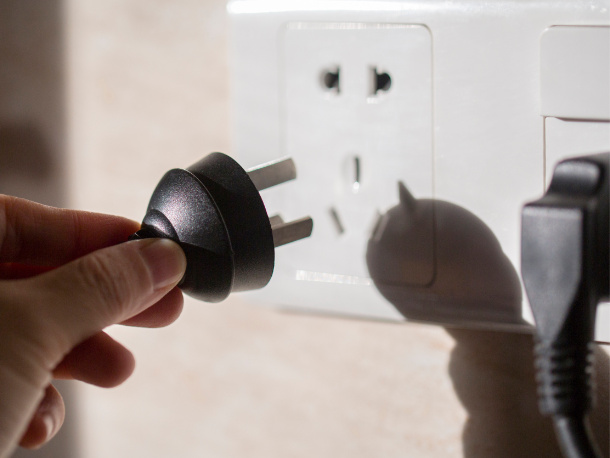
Voltage, frequency, plug, cable, grounding, and internal electrical configuration should be confirmed as one market version. A plug adapter cannot correct an unsuitable internal voltage configuration.
Multi-country buyers should use separate version codes and labels for different electrical configurations.
4. Sample and Bulk Production Differences
Conclusion: Sample approval does not control bulk production unless the approved sample is converted into a complete production standard.
A sample may contain temporary labels, manuals, plugs, packaging, or components. Buyers should document every temporary item and freeze the intended bulk configuration before production.
The final reference should include:
- Technical model and functions
- Electrical version
- Accessories
- Labels and manuals
- Packaging
- Approved component changes
5. Mixed Market Versions
Conclusion: Similar-looking smart toilets can create after-sales confusion when voltage, plug, rough-in, language, or function versions are mixed.
Product labels, cartons, warehouse records, manuals, and spare parts should all refer to the same technical version. This is especially important for distributors serving several countries from one warehouse.
Version control should continue after import rather than ending at factory shipment.
6. Missing or Incorrect Installation Accessories
Conclusion: A small missing accessory can stop installation even when the main smart toilet is correct.
Hoses, seals, valves, connectors, fixing parts, remote holders, cables, plugs, and model-specific accessories should be included in a packing checklist.
For project procurement, accessory consistency is important because the same missing item can affect many rooms at once.
7. Spare-Part Compatibility Problems
Conclusion: Spare parts should be selected by technical version rather than by external appearance.
Remote controls, sensors, cables, valves, heaters, and control-related components may look similar while using different specifications, interfaces, or control logic.
Distributors should link commercial model names to supplier technical models and prepare selected service parts before or together with the first bulk order.
8. Incomplete Manuals and Troubleshooting Information
Conclusion: Weak documentation turns simple installation or operating questions into repeated after-sales requests.
Manuals should explain dimensions, rough-in, drainage, water requirements, electrical information, accessories, installation sequence, operation, and basic troubleshooting.
Different market versions should use documentation that matches the actual voltage, plug, functions, and accessories supplied.
9. Packaging and Shipping Damage
Conclusion: Products that leave production correctly can still become after-sales cases if packaging or loading does not protect them during transport.
Buyers should review ceramic support, internal movement, seat-cover protection, accessory positions, carton condition, moisture risk, model labels, and container loading.
Receiving teams should photograph visible damage before moving or opening affected cartons and retain packaging when investigation is required.
10. Slow or Unstructured Claim Handling
Conclusion: After-sales response becomes slow when every service case starts with incomplete information.
A useful service record should include:
- Product model and version label
- Order or installation reference
- Problem description
- Photos and videos
- Water and electrical conditions where relevant
- Previous troubleshooting steps
This helps distinguish product defects from installation, water, electrical, transport, accessory, or operating problems.
Which Risks Should Distributors Prioritize First?
Conclusion: Buyers should first control risks that can be repeated across many units or orders.
For distributors, market-version errors, unsuitable installation conditions, incomplete documentation, and spare-part incompatibility can create repeated service problems across an entire product range. These areas should be stabilized before inventory is expanded.
A focused product range with controlled technical versions is usually easier to support than many overlapping models with different components and documents.
How Do These Risks Affect Project Procurement?
Conclusion: In a project, one repeated mistake can become a batch-level installation or maintenance issue.
Hotels, apartments, and residential projects should consider representative trial installation, approved project versions, consistent accessories, batch inspection, and model-specific maintenance information before large-scale deployment.
Project handover should also provide maintenance teams with enough information to identify installed versions and compatible replacement parts.
How Does Private Label Cooperation Affect After-Sales Risk?
Conclusion: Private label buyers need an additional link between the brand's commercial model and the supplier's technical version.
Labels, manuals, cartons, remote-control graphics, electrical versions, functions, and spare parts should remain connected to the same approved configuration. Branding changes should never break technical traceability.
How Should Buyers Evaluate a Smart Toilet Supplier?
Conclusion: A reliable smart toilet supplier should help buyers prevent after-sales problems before shipment instead of only responding after complaints occur.
- Clear installation requirements
- Stable technical and market versions
- Documented sample approval
- Bulk inspection against approved specifications
- Complete accessory lists
- Model-specific spare-parts support
- Structured troubleshooting and claim procedures
Bulk Procurement After-Sales Risk Checklist
- Installation compatibility confirmed
- Water pressure and flow verified
- Voltage and plug version approved
- Sample-to-bulk configuration frozen
- Market versions clearly separated
- Accessories and manuals checked
- Spare parts linked to technical models
- Packaging and claim procedures prepared
How AF-KangMu Supports B2B Buyers
AF-KangMu works with overseas distributors, wholesalers, bathroom brands, project buyers, and private label partners sourcing smart toilets and related smart bathroom products. Cooperation discussions can cover model selection, installation conditions, water and electrical versions, samples, packaging, market-version control, spare parts, customization, bulk inspection, and after-sales documentation.
Buyers can provide the destination market, selected models, quantities, installation conditions, branding requirements, and local service capability so potential after-sales risks can be reviewed before bulk procurement.
Conclusion
Reducing smart toilet after-sales risk begins before shipment. Product selection, installation, water and electrical conditions, sample approval, version control, accessories, documentation, packaging, spare parts, and claim procedures should all support the same approved product.
For wholesale distribution, project procurement, customization, or private label cooperation, contact AF-KangMu to discuss your market, quantities, product versions, and after-sales preparation requirements.
FAQ
What is the biggest after-sales risk in bulk smart toilet procurement?
There is no single universal risk. Installation mismatch, incorrect market versions, unsuitable water conditions, and weak spare-parts support can all become major issues when repeated across many units.
Can sample approval prevent all after-sales problems?
No. Sample approval should be combined with a frozen bulk specification, version control, inspection, packaging, and after-sales preparation.
Should distributors prepare spare parts before the first bulk order?
It is useful to review model-specific spare parts before or together with the first order, especially for parts that can be identified and replaced locally.
How can buyers reduce installation-related complaints?
Confirm drainage, rough-in, water, electricity, space, accessories, and trial-installation conditions before larger quantities are released.
What information is needed for an after-sales claim?
Useful information includes product and version labels, order reference, installation conditions, photos, videos, problem description, and troubleshooting steps already completed.