Quick answer: The smart toilet functions B2B buyers most commonly compare are washing functions, water-pressure and temperature adjustment, nozzle adjustment and self-cleaning, flushing, heated seats, warm-air drying, automatic or foot-sensor operation, lid automation, remote and side controls, and power-off or backup operation. The best configuration is not necessarily the one with the most functions. Distributors, wholesalers, bathroom brands, and project buyers should compare how each function affects market positioning, installation, customer understanding, maintenance, spare parts, and after-sales support.
For wholesale smart toilet procurement, functions should be evaluated as part of a complete commercial configuration. A function that supports premium showroom sales may be unnecessary for a standardized apartment project, while a simple control method may create more value in a market where easy installation and maintenance are priorities.
1. Rear Wash and Feminine Wash
Conclusion: Washing functions are among the core features that define a smart bidet toilet and should be evaluated before premium automation.
B2B buyers should confirm whether rear wash and feminine wash are included, how the water stream is controlled, and whether the operation is easy to understand. These functions are central to the smart toilet experience and are normally more important than decorative or low-frequency features.
Buyers should compare:
- Available washing modes
- Water-pressure adjustment
- Water-temperature adjustment
- Nozzle-position adjustment
- Control method and user interface
For distributors, the washing experience should also remain consistent between the approved sample and bulk production.
2. Water Pressure and Water Temperature Adjustment
Conclusion: Adjustable washing conditions help support different user preferences, but the function must also match local water and electrical conditions.
Buyers should compare the available adjustment levels and how clearly users can change them. Water heating should also be considered together with the destination market’s voltage and electrical version.
For project procurement, additional adjustment levels are useful only when the controls remain simple enough for guests, residents, or maintenance teams to understand.
3. Nozzle Position Adjustment and Self-Cleaning
Conclusion: Nozzle control is important because it affects both washing usability and daily hygiene management.
A smart toilet may provide nozzle-position adjustment, automatic rinsing before or after use, or other nozzle-cleaning functions depending on the model. Buyers should distinguish between the nozzle’s washing function and the methods used to clean the nozzle itself.
Key comparison points include:
- Nozzle-position adjustment
- Self-rinsing sequence
- Ease of cleaning
- Access for maintenance
- Replacement compatibility
4. Flushing Function and Flushing Structure
Conclusion: Reliable flushing is more important for B2B procurement than adding more automatic functions to an unsuitable water-supply structure.
Buyers should evaluate flushing together with local water pressure, inlet flow, drainage, rough-in distance, and the product’s water-supply structure. Integrated-tank models store water before flushing, while direct-water-supply models depend more directly on real-time inlet conditions.
Siphonic and washdown flushing should also be treated separately from tank or direct-supply structure because they describe different aspects of the toilet system.
5. Heated Seat
Conclusion: Heated seats are a common comfort feature, but their commercial value varies by climate and target market.
For colder markets, seat heating may be an important main-selling function. For warmer or highly price-sensitive markets, buyers may evaluate whether the feature supports the intended product level.
Distributors should confirm temperature adjustment, electrical version, control method, and how the function is described in manuals and product pages.
6. Warm-Air Drying
Conclusion: Warm-air drying is often used to differentiate a main-selling configuration from a simpler entry model.
Buyers should compare drying operation, temperature adjustment where available, user control, and the additional electrical and after-sales requirements created by the function.
For wholesalers building an entry, main-selling, and premium product mix, drying can provide a clear step between basic and more complete configurations.
7. Automatic Flush and Foot-Sensor Operation
Conclusion: Touch-free flushing can improve convenience, but the sensing method should match the sales channel and installation environment.
Automatic flushing may be triggered according to user behavior or configured sensing logic, while foot-sensor operation allows users to trigger selected functions without using the remote control.
B2B buyers should review:
- Which function the sensor activates
- Sensor position
- Expected operating sequence
- Manual backup controls
- Sensor-related spare parts
For hotels and projects, simple and predictable operation is often more important than the maximum number of sensor functions.
8. Automatic Lid Opening and Closing
Conclusion: Automatic lid functions are useful for premium positioning when the visible upgrade justifies additional complexity.
Automatic lid opening can create a stronger showroom impression and support a premium product line. However, it also introduces sensing and moving components that should be considered in inspection, packaging, maintenance, and spare-parts planning.
Bathroom brands should ensure that the premium price difference is supported by functions that customers can easily see and understand.
9. Remote Control and Side-Panel Control
Conclusion: Control design determines how easily users, installers, and service teams can operate the smart toilet.
Remote controls provide convenient access to washing, temperature, drying, and other functions. A side panel can offer essential backup operation when the remote is unavailable.
For private label smart toilet programs, buyers may also discuss remote-control graphics or approved branding. Any customized control artwork should still match the final function configuration.
10. Power-Off or Backup Operation
Conclusion: Buyers should understand what the smart toilet can and cannot do when electrical power is unavailable.
The available backup operation depends on the product design. Buyers should confirm how flushing works during a power interruption and whether any manual or backup procedure is provided.
This information should be clearly described in the manual instead of being assumed from another model.
How Should Distributors Prioritize These Functions?
Conclusion: Functions should be divided into core, main-selling, and premium groups rather than treated as one long checklist.
- Core: Washing, adjustment, nozzle cleaning, reliable flushing, and clear controls
- Main-selling: Heated seat, drying, and selected touch-free operation
- Premium: Automatic lid, additional sensing, display, lighting, deodorization, or other enhanced features
The exact grouping depends on the target market, product platform, pricing strategy, and customer expectations.
How Do Functions Affect Installation?
Conclusion: A function is commercially useful only when the selected product remains compatible with local water, drainage, and electrical conditions.
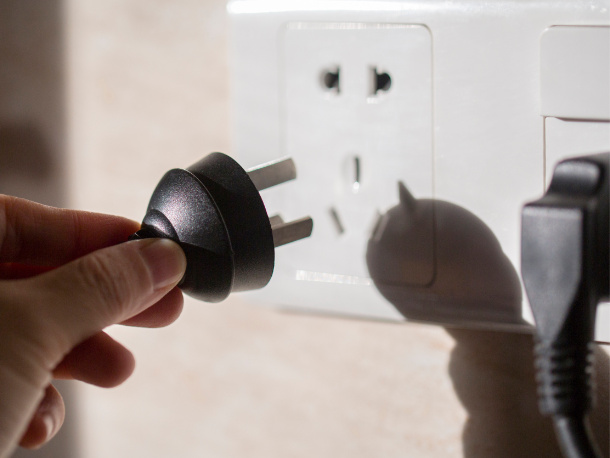
Buyers should verify rough-in distance, drainage type, water pressure, inlet flow, voltage, frequency, plug, grounding, and bathroom clearance. Electrical heating and automation functions also make correct market-version selection more important.
For project buyers, a representative trial installation should confirm the final configuration before large quantities are released.
How Do Functions Affect After-Sales Service?
Conclusion: More functions generally mean more components and more version information to manage.
Remote controls, sensors, heaters, valves, cables, and control components may differ by model or market version. Distributors should prepare troubleshooting information and model-specific spare-parts references before launching the product.
A smaller number of well-supported configurations can be easier to manage than a large catalog of overlapping models.
How Should Buyers Evaluate a Smart Toilet Supplier?
Conclusion: A suitable supplier should explain which functions are standard, optional, market-specific, and linked to different installation or service requirements.
- Clear function lists by model
- Stable product configurations
- Water and electrical requirements
- Sample testing support
- Market-version control
- Manual and packaging consistency
- Spare-parts and after-sales support
Smart Toilet Function Selection Checklist
- Core washing functions confirmed
- Water and temperature adjustment reviewed
- Nozzle cleaning and maintenance checked
- Flushing structure matched to local conditions
- Heating and drying positioned by market
- Sensor functions selected for real use cases
- Control method kept clear
- After-sales parts planned before bulk procurement
How AF-KangMu Supports B2B Buyers
AF-KangMu works with overseas distributors, wholesalers, bathroom brands, project buyers, and private label partners sourcing smart toilets and related smart bathroom products. Product discussions can cover washing functions, flushing structures, heating, drying, sensors, controls, electrical versions, installation conditions, samples, packaging, customization, and spare-parts planning.
Buyers can provide the destination market, preferred product level, expected quantity, installation conditions, required functions, and branding needs so a practical smart toilet configuration can be reviewed before sampling and bulk procurement.
Conclusion
The most useful smart toilet function list is not the longest one. B2B buyers should focus on functions that support real customer demand, reliable installation, clear product positioning, manageable maintenance, and long-term after-sales service.
For wholesale distribution, project procurement, customization, or private label cooperation, contact AF-KangMu to discuss your target market, required functions, product levels, quantities, and smart toilet sourcing plan.
FAQ
What are the most important smart toilet functions for distributors?
Core washing, adjustable water conditions, nozzle cleaning, reliable flushing, clear controls, seat heating, and drying are common comparison areas, with premium functions added according to market needs.
Should distributors choose the smart toilet with the most functions?
No. Functions should support a clear customer group, price position, installation environment, and after-sales capability.
Which functions are useful for premium smart toilets?
Depending on the product platform, automatic lid opening, additional sensing, lighting, displays, deodorization, and enhanced comfort functions may support premium positioning.
Do more functions increase after-sales complexity?
They can. Additional sensors, controls, heaters, and moving components may require more testing, documentation, spare parts, and technical support.
What should buyers provide when requesting a function-based quotation?
Provide the destination market, expected quantity, voltage and plug, water conditions, installation requirements, required functions, price positioning, and customization needs.