Quick answer: Before ordering smart toilets, B2B buyers should confirm 10 installation details: drainage type, rough-in distance, water pressure, inlet flow, voltage and frequency, plug and grounding, electrical outlet position, water-valve position, bathroom clearance, and installation plus maintenance access. These conditions should be checked before approving samples or bulk quantities because a functionally suitable smart toilet can still create project or distribution problems if it does not fit the local plumbing and electrical environment.
For distributors, wholesalers, bathroom brands, project buyers, and private label partners, installation compatibility directly affects product selection, sales confidence, installer efficiency, after-sales workload, and repeat orders. The following 10 items are not presented as a statistical ranking; they are practical installation details commonly reviewed during international smart toilet procurement.
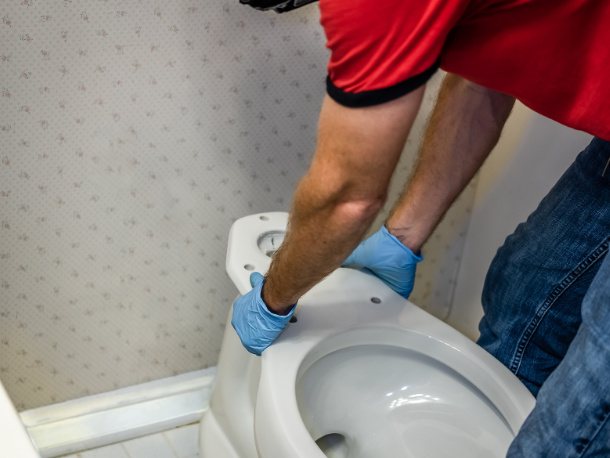
1. Confirm the Drainage Type
Conclusion: The first step is to confirm whether the bathroom uses floor drainage or wall drainage.
Smart toilet ceramic structures are designed for specific waste-outlet arrangements. A floor-mounted model intended for a floor outlet cannot simply be treated as equivalent to a wall-drain model.
Buyers should confirm:
- Floor or wall drainage
- Drain outlet position
- Pipe direction
- Connection method
For project procurement, the product drawing should be checked against architectural and drainage drawings before quantities are released.
2. Measure the Rough-In Distance from the Finished Wall
Conclusion: Rough-in distance should be measured from the finished wall to the drain center where applicable.
Waterproofing, adhesive, tiles, panels, or other wall finishes can change the final usable distance. Buyers should therefore avoid relying only on unfinished construction drawings.
Distributors should also provide clear measurement guidance to local customers before delivery.
3. Check Actual Water Pressure
Conclusion: Water pressure should be measured at the actual toilet connection rather than assumed from general building information.
Pressure can differ between buildings, floors, pipe branches, and peak-use periods. Buyers should compare measured conditions with the requirements of the selected smart toilet.
Where pressure fluctuates, an integrated-tank model may be worth evaluating, but actual site testing is still necessary.
4. Confirm Inlet Water Flow
Conclusion: Water pressure and inlet flow are related but should not be treated as the same condition.
A connection may show acceptable static pressure while delivering insufficient flow during operation. Direct-water-supply smart toilets may depend more heavily on real-time inlet conditions, while integrated-tank models still require enough flow for refilling and other water-related functions.
For samples and projects, buyers should test practical flushing and washing operation under representative conditions.
5. Confirm Voltage and Frequency
Conclusion: The smart toilet electrical version must match the destination market’s actual power supply.
Different markets may require different voltage and frequency configurations. Products that look identical externally may use different heaters, power-related components, cables, or control parts.
A plug adapter cannot correct an unsuitable internal voltage version, so voltage and frequency should be confirmed before production.
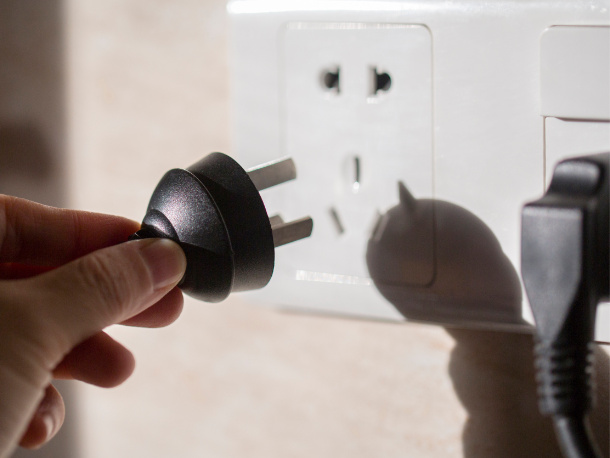
6. Confirm Plug Type and Grounding
Conclusion: Plug type should be checked together with grounding and the final electrical version.
Markets using similar voltages may still use different plug structures. Buyers should provide the destination country or an approved plug reference rather than assuming the plug from voltage alone.
For bathroom installation, grounding and final electrical arrangements should be reviewed according to applicable local requirements by qualified professionals.
7. Check the Electrical Outlet Position
Conclusion: The outlet must be accessible without interfering with water connections, ceramic installation, cleaning, or maintenance.
Buyers should review outlet height, side position, cable length, plug direction, and access after the smart toilet is installed. A technically correct electrical version can still create installation difficulty if the outlet is positioned behind an inaccessible area.
Project buyers should standardize the approved outlet location across repeated room layouts.
8. Check the Water-Valve Position
Conclusion: The water valve should be easy to connect, close, inspect, and service after installation.
A valve can be technically close to the toilet but still be difficult to access once the ceramic body is installed. Buyers should check the relationship between the valve, hose, filter, ceramic body, and wall.
This detail is especially important for hotels, apartments, and residential projects where maintenance teams need repeatable access.
9. Confirm Bathroom and Product Clearance
Conclusion: Product dimensions alone do not define the complete installation space.
Buyers should check rear clearance, side clearance, door movement, nearby furniture or sanitary ware, remote-control position, and space required for cleaning.
Useful clearance checks include:
- Product-to-wall distance
- Side installation space
- Door and cabinet interference
- Remote-holder position
- Cleaning access
For wall-hung models, concealed frame depth and service access must also be included in the planning.
10. Confirm Installation Accessories and Maintenance Access
Conclusion: Easy installation requires complete accessories and enough space for future service.
Buyers should confirm hoses, valves, seals, connectors, fixing parts, remote holders, cables, plugs, and other model-specific installation items. The maintenance team should also be able to reach filters, valves, electrical connections, and serviceable components.
A missing small accessory or inaccessible service point can delay an entire project installation even when the smart toilet itself is correct.
Which Functions Should Be Checked During Trial Installation?
Conclusion: Installation approval should include functional testing after all water and electrical connections are complete.
- Flushing and refill operation
- Rear wash and feminine wash
- Water-pressure and temperature adjustment
- Seat heating and warm-air drying
- Nozzle movement and self-cleaning
- Remote and side-panel controls
- Sensor functions where configured
For engineering procurement, a representative trial room can identify installation problems before they are repeated across many units.
How Should Buyers Evaluate the Supplier?
Conclusion: A suitable smart toilet supplier should provide installation information clearly enough for the buyer to verify compatibility before ordering.
- Accurate dimensional drawings
- Clear rough-in and drainage information
- Water-pressure and flow requirements
- Voltage, plug, and grounding information
- Accessory lists
- Installation manuals
- Trial-installation support
- Model-specific after-sales references
Pre-Order Installation Checklist
- Drainage type confirmed
- Finished-wall rough-in measured
- Water pressure and inlet flow checked
- Voltage and frequency confirmed
- Plug and grounding approved
- Outlet and water-valve positions reviewed
- Bathroom clearance verified
- Accessories and maintenance access confirmed
How AF-KangMu Supports B2B Buyers
AF-KangMu works with overseas distributors, wholesalers, bathroom brands, project buyers, and private label partners sourcing smart toilets and related smart bathroom products. Product discussions can cover dimensions, drainage, rough-in distance, water conditions, electrical versions, functions, samples, installation drawings, packaging, customization, and spare-parts planning.
Buyers can provide the destination market, room or project drawings, rough-in distance, water conditions, electrical requirements, preferred models, quantities, and branding needs so installation compatibility can be reviewed before sample and bulk procurement.
Conclusion
Smart toilet installation risk can be reduced before an order is placed. Drainage, rough-in distance, water, electricity, outlet and valve positions, clearance, accessories, and service access should all be checked as part of product selection.
For wholesale distribution, project procurement, customization, or private label cooperation, contact AF-KangMu to discuss your target market, installation conditions, selected models, quantities, and smart toilet sourcing requirements.
FAQ
What is the most important installation detail to check before ordering a smart toilet?
There is no single universal item, but drainage type and rough-in distance should be confirmed early because they directly affect whether the ceramic can be installed in the intended bathroom.
Why should water pressure and flow both be checked?
A connection can show pressure while still providing insufficient flow during operation, so both conditions affect flushing and washing performance.
Can a plug adapter solve a smart toilet voltage mismatch?
No. A plug adapter changes the physical connection but does not convert the product’s internal electrical version.
Should project buyers complete a trial installation?
Yes. A representative trial can verify drainage, water, electricity, clearance, controls, accessories, and maintenance access before large-scale installation.
What should buyers send to a supplier before requesting a project quotation?
Useful information includes destination market, drawings, drainage type, rough-in distance, water pressure and flow, electrical requirements, functions, quantity, and customization needs.