
Quick answer: When comparing smart toilet quotations, B2B buyers should check 10 items: exact model and version, standard functions, installation requirements, voltage and plug, unit-price scope, MOQ and quantity tiers, customization costs, packaging and shipping terms, lead time and payment terms, and warranty plus after-sales support. Two quotations with different specifications are not directly comparable even when the product photos look similar. Buyers should first make the technical and commercial scope consistent, then compare price.
For distributors, wholesalers, bathroom brands, project buyers, and private label partners, the lowest quotation is not automatically the lowest total procurement cost. Missing accessories, unsuitable voltage, different flushing structures, custom packaging, freight conditions, or limited spare-parts support can change the real value of an offer. The following 10 items are a practical comparison checklist rather than a statistical ranking.
1. Exact Model and Product Version
Conclusion: Every quotation should identify the exact product configuration being priced.
Similar-looking smart toilets may use different ceramic bodies, flushing systems, control platforms, rough-in distances, electrical versions, or accessories. Buyers should ask suppliers to provide a clear model code and specification reference rather than comparing only product photos.
Check whether the quotation identifies:
- Commercial and technical model
- Ceramic and flushing structure
- Rough-in or drainage version
- Control configuration
- Destination-market version
2. Standard and Optional Functions
Conclusion: The quoted function list should clearly separate standard features from optional upgrades.
Rear wash, feminine wash, nozzle cleaning, heated seat, drying, automatic flushing, foot sensors, automatic lids, lighting, displays, and deodorization may not all belong to the same standard configuration.
For wholesalers, a lower price may simply represent fewer functions. Compare the same functional level before deciding which quotation is more competitive.
3. Installation and Water Requirements
Conclusion: A quotation has little value if the product cannot fit the target market’s plumbing conditions.
Buyers should compare rough-in distance, drainage type, dimensions, water-pressure requirements, inlet flow, water-valve position, and installation clearance.
Integrated-tank and direct-water-supply smart toilets may have different requirements. Project buyers should review drawings and complete representative trial installation before releasing large quantities.
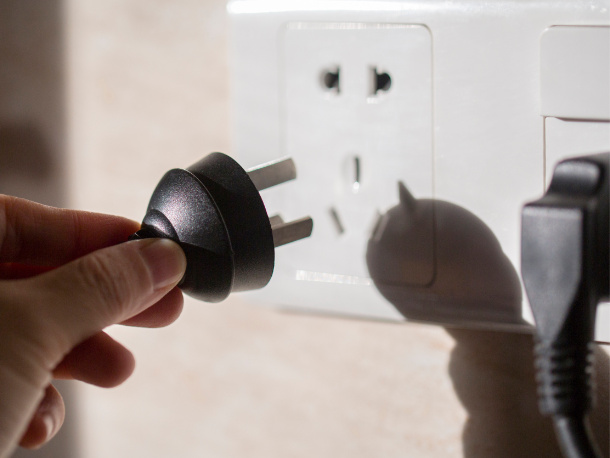
4. Voltage, Frequency, Plug, and Grounding
Conclusion: Electrical configuration must be included in the quotation as part of the product version.
A visually identical smart toilet may require different power-related components for different markets. Buyers should confirm voltage, frequency, plug type, cable, and grounding requirements.
A plug adapter does not convert an unsuitable internal voltage configuration. Multi-country buyers should therefore compare quotations by exact electrical version.
5. Unit Price and What Is Included
Conclusion: Unit price should be compared only after buyers understand what is included in each quoted unit.
Confirm whether the price includes:
- Smart toilet body and seat assembly
- Remote control and holder
- Hoses, connectors, valves, or fixing parts
- Standard labels and manuals
- Standard export packaging
- Any specifically agreed accessories
A lower quotation can become more expensive if important items need to be purchased separately later.
6. MOQ and Quantity Price Tiers
Conclusion: Buyers should compare prices at the same purchasing quantity.
Sample pricing, small wholesale orders, and larger bulk orders may use different commercial conditions. Suppliers may also have separate minimum quantities for the finished product and for customized cartons, labels, manuals, or special components.
Distributors should ask for quantity tiers relevant to their actual purchasing plan rather than focusing only on the lowest large-volume price.
7. Customization Scope and Extra Costs
Conclusion: Private label pricing should identify what can be customized and what creates additional preparation costs.
Customization may involve commercial model names, logos, product labels, manuals, carton artwork, remote-control graphics, plug versions, accessories, or selected functions.
Bathroom brands should ask whether custom materials have separate minimum quantities and how unused printed materials will be managed if artwork changes later.
8. Packaging, Freight, and Shipping Terms
Conclusion: Product price and delivered cost are different comparisons.
Buyers should confirm carton dimensions, gross weight, standard or branded packaging, and whether freight is included. The quotation should also identify the agreed trade and delivery scope clearly.
For container orders, final packed dimensions influence loading quantities. For mixed-model shipments, carton size, weight, model mix, and market versions should be reviewed together.
9. Lead Time and Payment Terms
Conclusion: A lower quotation may not be the better option if delivery timing does not support the buyer’s inventory or project schedule.
Buyers should understand whether the stated lead time begins after payment, sample approval, artwork approval, customized-material confirmation, or another production milestone.
Payment structure should also be compared together with order size, customization, shipment stages, and repeat-order planning.
10. Warranty, Spare Parts, and After-Sales Support
Conclusion: Long-term cost depends partly on how easily the product can be supported after local sales begin.
Buyers should compare warranty scope, claim procedures, troubleshooting information, model-specific spare parts, replacement guidance, and technical communication.
Remote controls, sensors, valves, cables, heaters, and control components may not be interchangeable between versions. A useful quotation should therefore lead to a clear technical and after-sales reference, not only a product price.
How Should Sample Terms Be Compared?
Conclusion: Samples should be treated as approval tools for the future bulk configuration.
Buyers should confirm sample price, sample availability, expected preparation time, freight responsibility, and whether the sample represents the final voltage, plug, functions, accessories, labels, and packaging.
Any temporary sample difference should be documented before bulk production.
How Do Quotations Differ for Projects and Wholesale Distribution?
Conclusion: Wholesale quotations emphasize product mix and inventory, while project quotations require greater attention to installation consistency and delivery planning.
Distributors may compare entry, main-selling, and premium configurations across quantity tiers. Hotel, apartment, and residential project buyers should additionally review drawings, trial installation, room quantities, phased delivery, accessories, and maintenance requirements.
How Should Buyers Evaluate the Supplier Behind the Quotation?
Conclusion: A useful quotation should be supported by clear specifications and realistic commercial conditions.
- Product configuration is clearly defined
- Installation requirements are documented
- Market versions are traceable
- Customization limits are explained
- Packaging and lead time are clear
- Sample and bulk versions can be controlled
- After-sales and spare-parts support are defined
Smart Toilet Quotation Comparison Checklist
- Compare the same model and configuration
- Confirm standard and optional functions
- Check installation and electrical requirements
- Compare prices at the same quantity
- Identify all customization costs
- Confirm packaging and shipping scope
- Review lead time and payment conditions
- Compare warranty, spare parts, and service support
How AF-KangMu Supports B2B Buyers
AF-KangMu works with overseas distributors, wholesalers, bathroom brands, project buyers, and private label partners sourcing smart toilets and related smart bathroom products. Quotation discussions can cover model selection, functions, installation conditions, electrical versions, quantities, samples, packaging, customization, shipping planning, spare parts, and after-sales requirements.
Buyers can provide the destination market, selected models, expected quantity, required functions, installation conditions, branding requirements, and shipping needs so the quotation can be prepared around a clearer purchasing scope.
Conclusion
Comparing smart toilet quotations should begin by making the technical and commercial scope comparable. A low unit price has limited meaning if another quotation includes a different function package, electrical version, accessories, packaging, service terms, or delivery scope.
For wholesale distribution, project procurement, customization, or private label cooperation, contact AF-KangMu to discuss your target market, required configuration, quantities, and smart toilet quotation requirements.
FAQ
Should buyers choose the lowest smart toilet quotation?
Not automatically. Buyers should first confirm that the models, functions, electrical versions, accessories, packaging, quantities, and service conditions are comparable.
Why can two similar smart toilets have different prices?
Differences may come from functions, flushing structure, electrical version, accessories, packaging, customization, quantity, or commercial terms.
Should shipping cost be compared separately from unit price?
Yes. Carton size, weight, quantity, shipment method, and agreed delivery scope all affect the total purchasing cost.
What should private label buyers check in a quotation?
Check branding scope, customized labels and manuals, carton requirements, minimum quantities, preparation costs, lead time, and version control.
What information should buyers provide to receive a more accurate quotation?
Provide the destination market, quantity, selected model, functions, voltage and plug, installation conditions, customization needs, and shipping requirements.