
News & Insights
Smart toilet market notes for B2B buyers.
Explore market positioning, model selection, OEM/ODM preparation, quality control, and export-order planning for smart toilet business.

Latest Articles
Practical content for distributors, brands, and project suppliers.
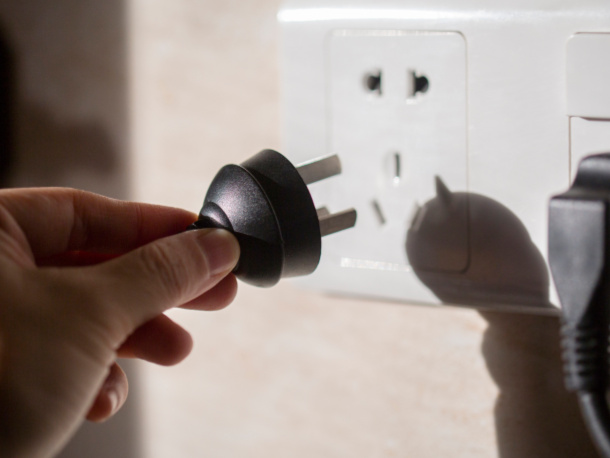
What Voltage and Plug Types Are Available for Smart Toilets?
Smart toilets can be configured for different voltage, frequency, plug, grounding, and cable requirements. Common electrical ranges include 100 V, 110–120 V, and 220–240 V, but the final configuration must match the destination market and project conditions. This guide helps distributors, wholesalers, bathroom brands, and project buyers control electrical versions before sampling and bulk procurement.
Read Article
What Rough-In Distance Is Required for a Smart Toilet?
Smart toilet rough-in distance depends on the ceramic design, drainage outlet, installation method, and finished bathroom dimensions. Common references include approximately 305 mm and 400 mm, but distributors, wholesalers, bathroom brands, and project buyers should always verify the finished-wall measurement and approved product drawing before ordering.
Read Article
What Water Pressure Does a Smart Toilet Require?
Smart toilet water-pressure requirements depend on the flushing structure, washing system, water-supply design, and whether the product has an integrated tank. Tankless models usually depend more directly on stable inlet pressure, while tank-equipped models may offer greater adaptability in markets with variable supply conditions. This guide explains what distributors, wholesalers, bathroom brands, and project buyers should verify before sampling or bulk procurement.
Read Article
Do Smart Toilets Need Electricity?
Most smart toilets require electricity to operate washing, water heating, seat heating, warm-air drying, sensors, automatic lids, and electronic controls. However, whether flushing remains available during a power outage depends on the product structure. This guide explains the electrical, installation, customization, and after-sales points that distributors, wholesalers, bathroom brands, and project buyers should confirm before procurement.
Read Article
What Is a Smart Toilet and How Does It Work?
A smart toilet combines a ceramic toilet, washing system, flushing system, heating components, sensors, and electronic controls. This guide explains how smart toilets work and what distributors, wholesalers, bathroom brands, project buyers, and customization partners should evaluate before selecting products or suppliers.
Read Article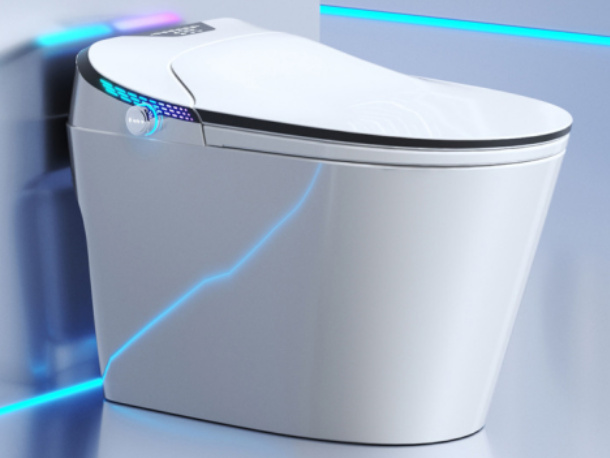
Are More Functions Always Better? A Practical Guide to Smart Toilet Configuration
More smart toilet functions do not automatically create greater commercial value. Distributors, wholesalers, bathroom brands, and project buyers should select configurations according to local demand, price positioning, installation conditions, product stability, service capability, and inventory strategy.
Read Article
Why Smart Toilet Buyers Should Look Beyond Unit Price
The lowest smart toilet quotation does not always produce the lowest total purchasing cost. Distributors, wholesalers, bathroom brands, and project buyers should also evaluate specifications, installation compatibility, bulk consistency, packaging, loading efficiency, inventory turnover, spare parts, delivery, and after-sales support.
Read Article
How Smart Toilet Buyers Can Reduce Inventory Pressure and Slow-Moving Stock
Smart toilet buyers can reduce inventory pressure by limiting the number of models, prioritizing proven configurations, testing new products in small quantities, standardizing market versions, and using sales data to plan repeat orders. This guide provides practical inventory strategies for distributors, wholesalers, bathroom brands, project buyers, and private label customers.
Read Article
Why Can Bulk Orders Still Differ After Smart Toilet Sample Approval?
An approved smart toilet sample does not automatically guarantee that every detail of the bulk order will remain identical. Differences may result from incomplete specifications, normal manufacturing tolerances, component changes, unclear customization files, version confusion, inspection gaps, or packaging variations. This guide explains how buyers can turn sample approval into a controlled production standard.
Read Article
How to Select Smart Toilet Voltage, Plug, and Functions for Different Markets
Smart toilet configurations should be selected according to the destination market’s voltage, frequency, plug type, grounding requirements, water conditions, installation standards, customer expectations, and local service capability. This guide helps distributors, wholesalers, bathroom brands, and project buyers reduce configuration errors before sampling and bulk procurement.
Read ArticleContent Direction
Use news pages to build trust before inquiry.
For a B2B manufacturer website, news should not read like casual updates. It should help buyers understand your product logic, quality mindset, and cooperation process before they send an inquiry.
Discuss Your Market