
News & Insights
Smart toilet market notes for B2B buyers.
Explore market positioning, model selection, OEM/ODM preparation, quality control, and export-order planning for smart toilet business.

Latest Articles
Practical content for distributors, brands, and project suppliers.
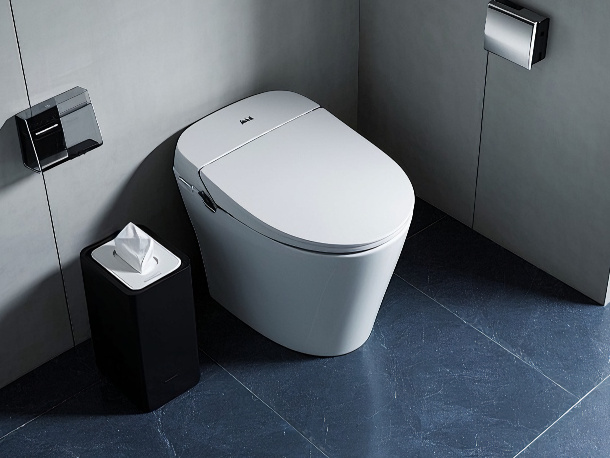
Floor-Mounted vs Wall-Hung Smart Toilets for Projects
Floor-mounted and wall-hung smart toilets require different drainage, structural, installation, and maintenance planning. Floor-mounted models are often easier to coordinate with conventional floor drainage and renovation projects, while wall-hung models can create a cleaner floor area and more flexible installation height but require concealed frames and early construction coordination. This guide helps distributors, bathroom brands, and project buyers compare both solutions.
Read Article
Automatic Flush vs Foot-Sensor Flush: Which Configuration Is More Practical?
Automatic flush activates according to seat use or user departure, while foot-sensor flush requires a deliberate foot movement near the product. Automatic flushing offers a more seamless hands-free experience, while foot-sensor flushing gives users greater control over when flushing occurs. This guide helps distributors, wholesalers, bathroom brands, and project buyers compare usability, installation, testing, maintenance, customization, and market positioning.
Read Article
Smart Toilet vs Smart Toilet Seat: Which Is Better for Distribution?
Complete smart toilets and smart toilet seats serve different distribution strategies. Complete units offer integrated ceramic, flushing, washing, and control systems with stronger product differentiation, while smart toilet seats can reduce shipping volume and support selected retrofit markets. This guide compares installation, compatibility, pricing, logistics, customization, inventory, and after-sales requirements for distributors, wholesalers, bathroom brands, and project buyers.
Read Article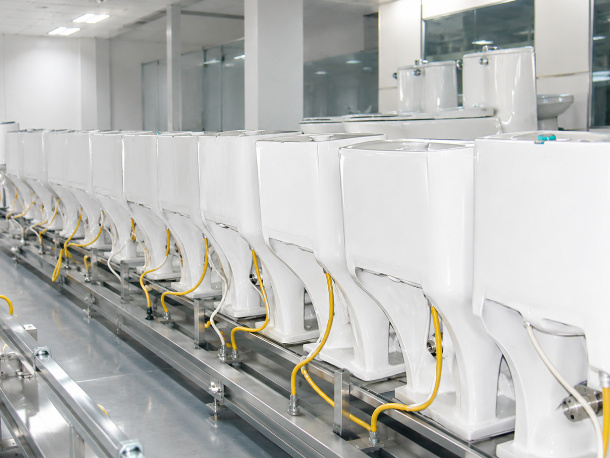
How to Build a Smart Toilet Product Range for a New Market
A practical smart toilet product range for a new market should cover different customer needs without creating excessive inventory. Distributors, wholesalers, bathroom brands, and project buyers should study local installation conditions, define clear price levels, select core functions, control market versions, test samples, and prepare after-sales support before expanding the range.
Read Article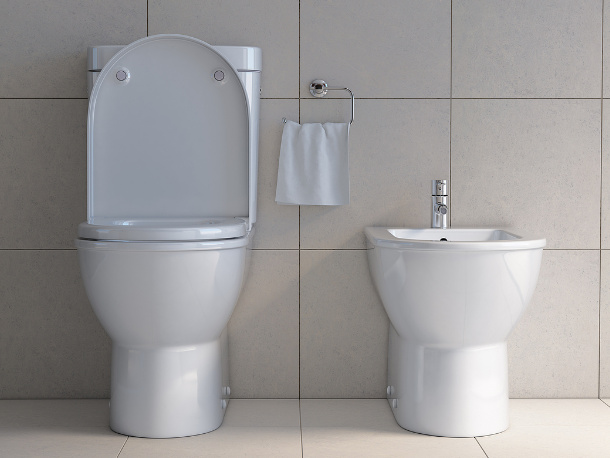
How Smart Toilet Sample Approval Works
Smart toilet sample approval is a structured process that verifies the product model, functions, installation conditions, electrical version, accessories, labels, manuals, packaging, and testing results before bulk production. This guide helps distributors, wholesalers, bathroom brands, project buyers, and private label partners turn a physical sample into a clear production standard.
Read Article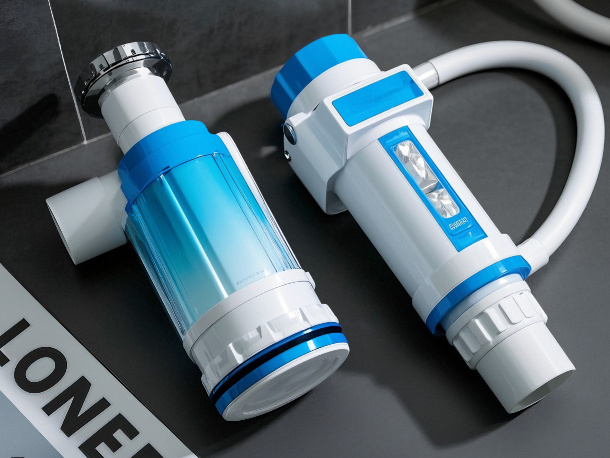
Smart Toilet Spare Parts: A Basic Guide for Distributors
Smart toilet spare-parts planning should begin before the first bulk shipment. Distributors need to identify model-specific remotes, control components, sensors, valves, hoses, nozzles, heating parts, covers, and installation accessories. This guide explains how to select, label, stock, inspect, and manage replacement parts for wholesale, project, and private label orders.
Read Article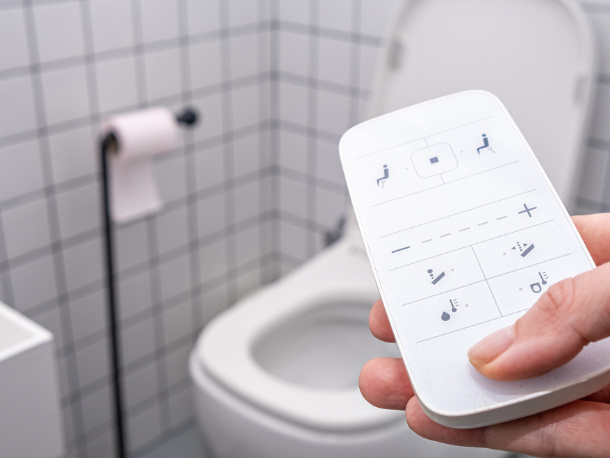
Smart Toilet Remote Controls and Side Panels: What Buyers Should Know
Smart toilet remote controls and side panels determine how users access washing, heating, drying, flushing, and automatic functions. This guide explains control layouts, usability, pairing, installation, customization, testing, version management, and spare-parts planning for distributors, wholesalers, bathroom brands, project buyers, and private label partners.
Read Article
Smart Toilet Product Labels, Manuals, and Market Versions Explained
Smart toilet labels, manuals, model codes, cartons, and technical documents should accurately identify the product’s voltage, frequency, plug, rough-in distance, functions, accessories, and target market. This guide explains how distributors, wholesalers, bathroom brands, project buyers, and private label partners can manage different product versions and reduce production, warehouse, installation, and after-sales errors.
Read Article
Smart Toilet Packaging Basics for International Shipping
Smart toilet export packaging must protect fragile ceramic bodies, seat covers, electronic components, remote controls, fittings, cables, and printed materials throughout handling and international transportation. This guide explains packaging structure, accessory placement, carton identification, container loading, receiving inspection, customization, and shipping-risk control for distributors, wholesalers, bathroom brands, and project buyers.
Read Article
Smart Toilet Structure Explained: Ceramic, Flushing, Washing, and Controls
A smart toilet combines a ceramic body, drainage and flushing structure, washing module, heating components, sensors, electronic controls, and installation accessories. This guide explains how each system works and what distributors, wholesalers, bathroom brands, project buyers, and customization partners should check before sample approval or bulk procurement.
Read ArticleContent Direction
Use news pages to build trust before inquiry.
For a B2B manufacturer website, news should not read like casual updates. It should help buyers understand your product logic, quality mindset, and cooperation process before they send an inquiry.
Discuss Your Market