
News & Insights
Smart toilet market notes for B2B buyers.
Explore market positioning, model selection, OEM/ODM preparation, quality control, and export-order planning for smart toilet business.

Latest Articles
Practical content for distributors, brands, and project suppliers.

What After-Sales Support Should a Smart Toilet Supplier Provide?
A reliable smart toilet supplier should provide more than a warranty statement. Distributors, wholesalers, bathroom brands, and project buyers need installation documents, troubleshooting guidance, spare-parts planning, version identification, claim procedures, technical communication, and support for recurring problems. This guide explains how buyers can evaluate after-sales capability before placing a bulk order.
Read Article
How Long Do Smart Toilet Samples and Bulk Orders Take?
Smart toilet sample and bulk order lead times depend on product availability, electrical versions, functions, customization, packaging, component preparation, approval speed, inspection, and shipping arrangements. Standard samples can usually be prepared faster than private label versions, while bulk production begins only after the final configuration and commercial details are approved.
Read Article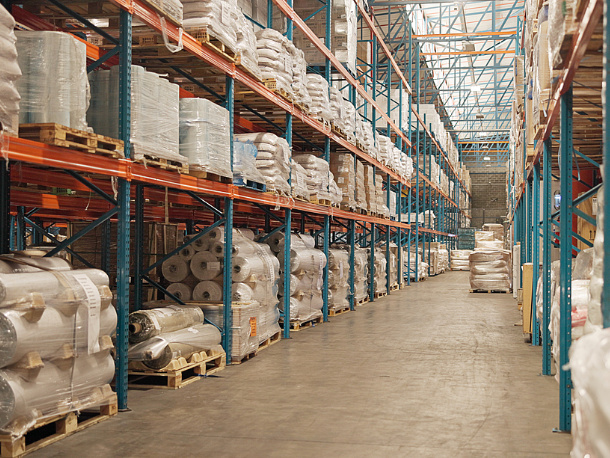
How Is the MOQ for Wholesale Smart Toilet Orders Determined?
The MOQ for a wholesale smart toilet order is determined by more than the number of complete units. Product models, electrical versions, customized packaging, labels, manuals, components, production efficiency, and inspection requirements can all affect the minimum quantity. This guide explains how distributors, wholesalers, bathroom brands, and project buyers can negotiate a practical first order without creating unnecessary inventory risk.
Read Article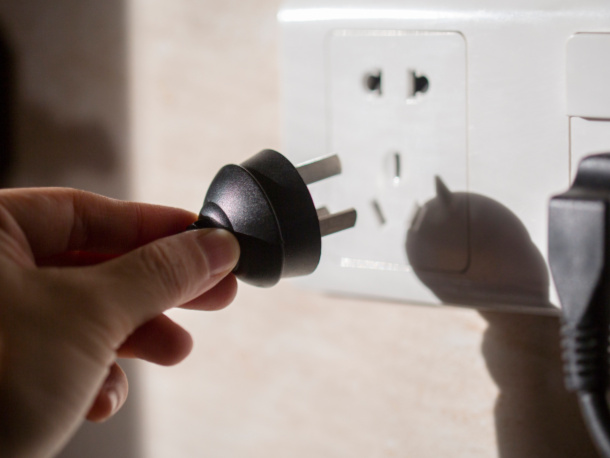
What Voltage and Plug Types Are Available for Smart Toilets?
Smart toilets can be configured for different voltage, frequency, plug, grounding, and cable requirements. Common electrical ranges include 100 V, 110–120 V, and 220–240 V, but the final configuration must match the destination market and project conditions. This guide helps distributors, wholesalers, bathroom brands, and project buyers control electrical versions before sampling and bulk procurement.
Read Article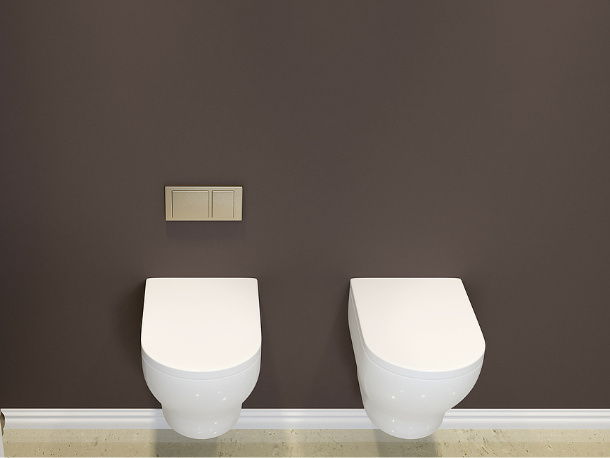
What Rough-In Distance Is Required for a Smart Toilet?
Smart toilet rough-in distance depends on the ceramic design, drainage outlet, installation method, and finished bathroom dimensions. Common references include approximately 305 mm and 400 mm, but distributors, wholesalers, bathroom brands, and project buyers should always verify the finished-wall measurement and approved product drawing before ordering.
Read Article
What Water Pressure Does a Smart Toilet Require?
Smart toilet water-pressure requirements depend on the flushing structure, washing system, water-supply design, and whether the product has an integrated tank. Tankless models usually depend more directly on stable inlet pressure, while tank-equipped models may offer greater adaptability in markets with variable supply conditions. This guide explains what distributors, wholesalers, bathroom brands, and project buyers should verify before sampling or bulk procurement.
Read Article
Do Smart Toilets Need Electricity?
Most smart toilets require electricity to operate washing, water heating, seat heating, warm-air drying, sensors, automatic lids, and electronic controls. However, whether flushing remains available during a power outage depends on the product structure. This guide explains the electrical, installation, customization, and after-sales points that distributors, wholesalers, bathroom brands, and project buyers should confirm before procurement.
Read Article
What Is a Smart Toilet and How Does It Work?
A smart toilet combines a ceramic toilet, washing system, flushing system, heating components, sensors, and electronic controls. This guide explains how smart toilets work and what distributors, wholesalers, bathroom brands, project buyers, and customization partners should evaluate before selecting products or suppliers.
Read Article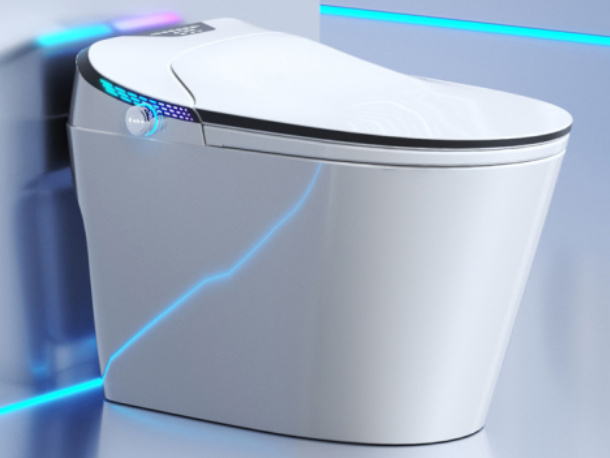
Are More Functions Always Better? A Practical Guide to Smart Toilet Configuration
More smart toilet functions do not automatically create greater commercial value. Distributors, wholesalers, bathroom brands, and project buyers should select configurations according to local demand, price positioning, installation conditions, product stability, service capability, and inventory strategy.
Read Article
Why Smart Toilet Buyers Should Look Beyond Unit Price
The lowest smart toilet quotation does not always produce the lowest total purchasing cost. Distributors, wholesalers, bathroom brands, and project buyers should also evaluate specifications, installation compatibility, bulk consistency, packaging, loading efficiency, inventory turnover, spare parts, delivery, and after-sales support.
Read ArticleContent Direction
Use news pages to build trust before inquiry.
For a B2B manufacturer website, news should not read like casual updates. It should help buyers understand your product logic, quality mindset, and cooperation process before they send an inquiry.
Discuss Your Market