
News & Insights
Smart toilet market notes for B2B buyers.
Explore market positioning, model selection, OEM/ODM preparation, quality control, and export-order planning for smart toilet business.

Latest Articles
Practical content for distributors, brands, and project suppliers.
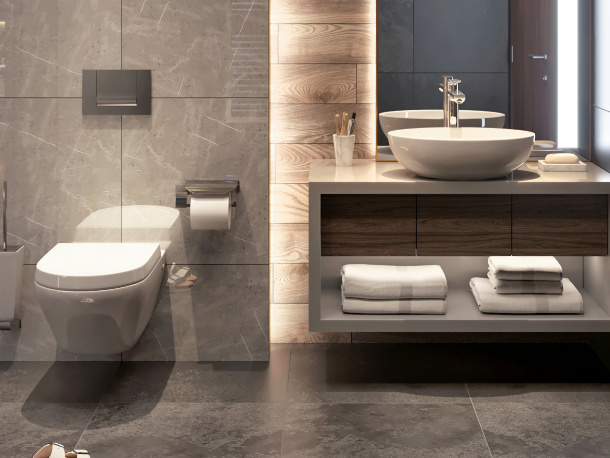
How to Choose Smart Toilets for Hotels and Apartments
Smart toilets for hotels and apartments should be selected according to room layout, drainage, rough-in distance, water pressure, electrical conditions, guest operation, maintenance access, project budget, and phased delivery requirements. This guide helps distributors, bathroom brands, wholesalers, and project buyers compare suitable functions, installation structures, quality-control priorities, spare-parts planning, and supplier support.
Read Article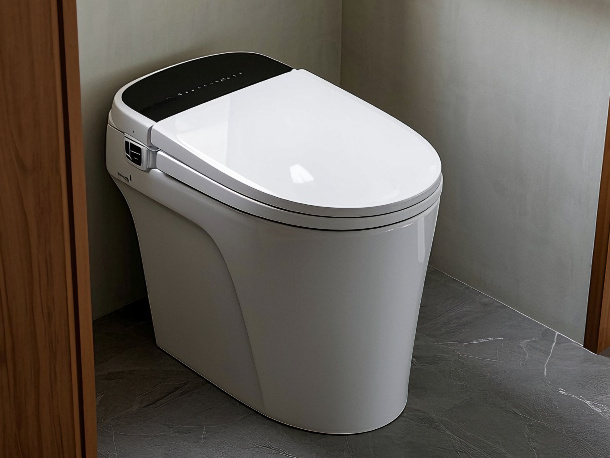
How to Choose Smart Toilets for Wholesale Distribution
Choosing smart toilets for wholesale distribution requires more than comparing appearance and feature lists. Distributors and wholesalers should evaluate local water pressure, drainage, rough-in distance, voltage, plug type, product positioning, packaging, inventory turnover, installation support, and spare-parts availability. This guide explains how to build a focused wholesale range and reduce purchasing and after-sales risks.
Read Article
How to Select Smart Toilet Models for a New Market
Selecting smart toilet models for a new market requires more than comparing appearance and functions. Distributors, wholesalers, bathroom brands, and project buyers should verify local drainage, rough-in distance, water pressure, voltage, plug type, customer expectations, price levels, installation capability, and after-sales resources. This guide explains how to build a focused first product range, test samples, control market versions, and reduce inventory risk.
Read Article
How to Choose a Reliable Smart Toilet Supplier for Long-Term Cooperation
A reliable smart toilet supplier should provide more than competitive pricing. Long-term buyers need stable product configurations, clear technical documents, consistent quality control, practical customization, realistic lead times, version management, spare-parts support, and structured after-sales communication. This guide helps distributors, wholesalers, bathroom brands, project buyers, and private label partners evaluate suppliers before samples, pilot orders, and long-term cooperation.
Read Article
Standard Packaging vs Private Label Packaging for Smart Toilets
Standard packaging allows smart toilet buyers to begin sampling and market testing with fewer artwork, printing, and version-control requirements. Private label packaging creates stronger brand identification but adds file approval, printing minimums, lead time, and inventory responsibility. This guide helps distributors, wholesalers, bathroom brands, project buyers, and customization partners compare protection, cost, branding, order quantity, documentation, shipping, and after-sales traceability.
Read Article
Retail-Focused vs Project-Focused Smart Toilets
Retail-focused smart toilets usually emphasize appearance, product differentiation, showroom presentation, and optional comfort features. Project-focused models prioritize standardized specifications, installation consistency, maintenance access, documentation, spare parts, and phased delivery. This guide helps distributors, wholesalers, bathroom brands, and project buyers compare both product strategies and build a more practical procurement plan.
Read Article
Standard vs Premium Smart Toilet Configurations
Standard smart toilets focus on core washing, heating, drying, flushing, and control functions, while premium configurations may add automatic lids, advanced sensing, displays, deodorization, user settings, and enhanced control options. This guide helps distributors, wholesalers, bathroom brands, project buyers, and private label partners compare commercial value, installation requirements, customization, inventory, maintenance, and after-sales support.
Read Article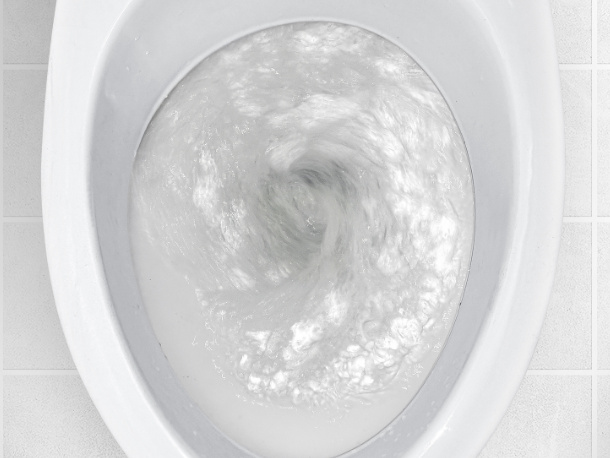
Integrated Water Tank vs Direct Water Supply: Flushing and Installation Compared
Integrated-tank smart toilets store water before flushing, while direct-water-supply models use the building’s incoming water more immediately. The two structures differ in pressure requirements, repeated flushing, installation checks, product dimensions, maintenance, and market suitability. This guide helps distributors, wholesalers, bathroom brands, and project buyers select the right configuration for local water conditions and commercial needs.
Read Article
Siphonic vs Washdown Toilets: What B2B Buyers Should Compare
Siphonic and washdown toilets use different waste-removal and water-flow principles. Siphonic designs rely on a coordinated trapway and siphon action, while washdown designs use a more direct water flow to push waste through the outlet. This guide helps distributors, wholesalers, bathroom brands, and project buyers compare drainage compatibility, flushing stability, bowl cleaning, noise, maintenance, market positioning, and smart toilet integration.
Read Article
110–120 V vs 220–240 V Smart Toilets: Key Differences for Importers
110–120 V and 220–240 V smart toilets may share the same ceramic appearance and function list, but their heaters, power components, cables, plugs, labels, manuals, testing conditions, and spare parts may differ. This guide helps distributors, wholesalers, bathroom brands, and project buyers control electrical versions throughout sampling, bulk production, import, installation, inventory, and after-sales service.
Read ArticleContent Direction
Use news pages to build trust before inquiry.
For a B2B manufacturer website, news should not read like casual updates. It should help buyers understand your product logic, quality mindset, and cooperation process before they send an inquiry.
Discuss Your Market