
News & Insights
Smart toilet market notes for B2B buyers.
Explore market positioning, model selection, OEM/ODM preparation, quality control, and export-order planning for smart toilet business.

Latest Articles
Practical content for distributors, brands, and project suppliers.

Case Analysis: Using Phased Delivery for an Apartment Project
Phased delivery can reduce smart toilet project risk when production, inspection, shipping, storage, and installation are aligned with actual construction progress. In this representative apartment-project case, the buyer used trial units, controlled delivery batches, version-specific labels, receiving checks, and installation feedback before releasing later quantities. This article explains how distributors, bathroom brands, wholesalers, project buyers, and customization partners can use phased delivery to improve site coordination and reduce avoidable rework, storage, and after-sales problems.
Read Article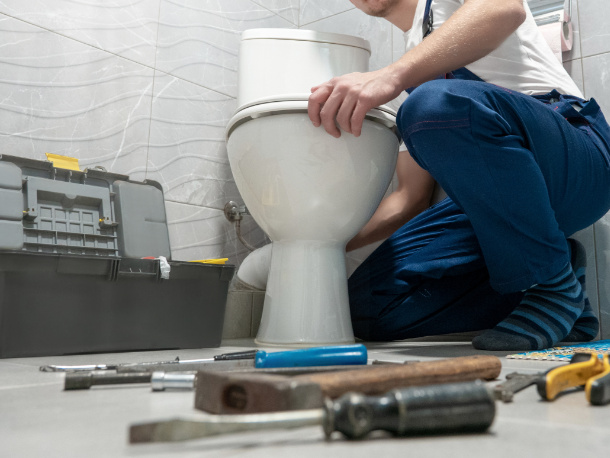
Case Analysis: How Better Manuals Reduced Installation Questions
Smart toilet installation questions often increase when manuals explain product functions but do not clearly show rough-in distance, drainage, water pressure, electrical requirements, valve and outlet positions, accessories, or market-version differences. In this representative case, clearer installation drawings, pre-installation checks, function instructions, version-specific manuals, and troubleshooting guidance helped a distributor create a more consistent installation process for local technicians and project teams.
Read Article
Case Analysis: How Clear Product Pages Improved B2B Inquiries
A smart toilet product page should help business buyers determine whether a model fits their market before they send an inquiry. In this representative case, product pages were reorganized around specifications, installation conditions, functions, market versions, customization, packaging, samples, and after-sales support. The result was a clearer inquiry path that encouraged distributors, wholesalers, bathroom brands, and project buyers to provide more useful purchasing information.
Read Article
Case Analysis: Optimizing a Mixed-Model Smart Toilet Container
A mixed-model smart toilet container should not be planned by filling the remaining space with random products. Distributors and wholesalers need to balance main-selling models, entry and premium products, carton dimensions, market versions, loading stability, unloading sequence, inventory needs, and after-sales complexity. This representative case analysis explains how a buyer reorganized a mixed-model container to improve loading logic, product identification, inventory structure, and receiving efficiency.
Read Article
Case Analysis: Managing Different Market Versions Across Countries
Selling the same smart toilet across several countries can create multiple versions involving voltage, frequency, plug type, rough-in distance, functions, language, labels, packaging, and spare parts. In this representative case, a distributor replaced country-by-country informal management with a unified version system covering model codes, samples, production, inspection, warehousing, repeat orders, and after-sales support. This guide explains how international B2B buyers can reduce mixed-version and service risks.
Read Article
Case Analysis: How Spare Parts Improved Local Service Response
Local smart toilet service can become slow when every replacement part must be identified, confirmed, and shipped internationally after a problem occurs. In this representative case, a distributor improved its service process by preparing model-specific spare parts, linking commercial and technical versions, creating troubleshooting records, and defining which components could be replaced locally. This article explains how distributors, wholesalers, bathroom brands, project buyers, and private label partners can build a practical spare-parts and after-sales system.
Read Article
Case Analysis: Why Bulk Orders Differed After Sample Approval
Sample approval does not automatically guarantee that every detail of a bulk smart toilet order has been frozen. Differences can appear when temporary sample parts, unclear specifications, component substitutions, outdated files, market-version changes, packaging updates, or incomplete inspection references enter production. This representative case analysis explains how distributors, wholesalers, bathroom brands, project buyers, and private label partners can turn an approved sample into a controlled bulk-production standard.
Read Article
Case Analysis: Controlling Private Label Files and Packaging Versions
Private label smart toilet projects often involve product labels, manuals, carton artwork, model names, remote-control graphics, voltage versions, plug types, and different destination markets. If these files are not controlled as one approved system, outdated artwork or incorrect market information can enter bulk production. This representative case analysis explains how distributors, wholesalers, bathroom brands, and project buyers can build a clear file approval, packaging version, production, inspection, and repeat-order process.
Read Article
Case Analysis: Building an Entry, Main-Selling, and Premium Product Mix
A smart toilet distributor does not need a large number of similar models to cover a market. A clearer approach is to build an entry, main-selling, and premium product mix with distinct customer groups, functions, price positions, installation conditions, and after-sales requirements. This representative case analysis explains how a distributor simplified an overlapping product range, selected core functions, controlled inventory, approved samples, and prepared each model for long-term wholesale distribution.
Read Article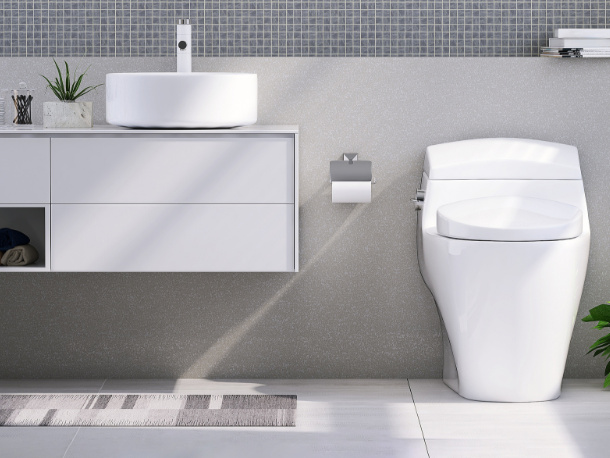
Case Analysis: How Better Packaging Reduced Ceramic Shipping Damage
Ceramic shipping damage is not always solved by simply adding more packaging material. In this representative case, a smart toilet shipment showed that internal support positions, accessory movement, carton stability, loading arrangement, and receiving records all influenced transport risk. This article explains how distributors, wholesalers, bathroom brands, project buyers, and private label partners can improve packaging approval and reduce avoidable ceramic damage before bulk shipment.
Read ArticleContent Direction
Use news pages to build trust before inquiry.
For a B2B manufacturer website, news should not read like casual updates. It should help buyers understand your product logic, quality mindset, and cooperation process before they send an inquiry.
Discuss Your Market